ᱫᱷᱟᱯ ᱫᱷᱟᱯ: ᱢᱤᱫ ᱥᱮᱠᱴᱚᱨ ᱨᱮ ᱵᱟᱡᱤ
Five $2 chips cover 17 and its two neighbors on each side. A fifty-spin worked example shows the result of seven hits.
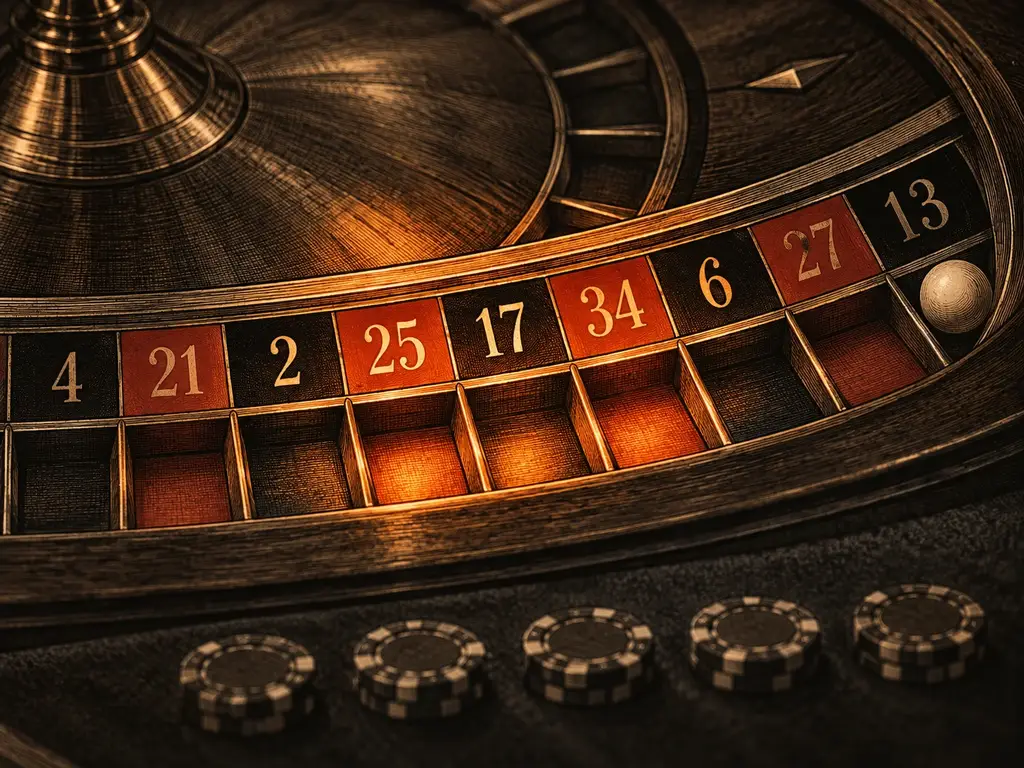
The selected five-pocketᱥᱟᱡ ᱥᱟᱢᱟᱱᱠᱷᱟᱱᱟᱨᱚᱴᱚᱨ ᱨᱮᱭᱟᱜ 37 ᱮᱞ ᱚᱞ ᱠᱷᱟᱱᱟ ᱠᱷᱚᱱ ᱢᱤᱫ᱾ ᱮᱴᱟᱜ ᱧᱩᱛᱩᱢ: ᱥᱞᱚᱴ, ᱠᱟᱯ᱾ᱯᱩᱨᱟᱹ ᱯᱟᱲᱦᱟᱣ → arc is 2–25–17–34–6 on a European wheel. Seven hits and 43 misses at $10 total per spin produce a $4 gain. With fixed stakes and no early stop, the final total depends on the hit count, not the order of those hits.
ᱡᱚᱡᱚᱢ
Use a standard single-zeroᱪᱟᱠᱟᱡᱤᱨᱚᱢᱤᱫᱜᱮ ᱦᱟᱹᱨᱭᱟᱹᱲ ᱠᱷᱟᱱᱟ ᱡᱟᱦᱟᱸ ᱥᱚᱢᱟᱱ ᱴᱟᱠᱟ, ᱰᱚᱡᱮᱱ ᱟᱨᱵᱟᱝ ᱠᱚᱞᱚᱢ ᱵᱟᱡᱤ ᱵᱟᱭ ᱠᱚᱵᱷᱟᱨᱟ; ᱠᱮᱥᱤᱱᱳ ᱵᱟᱲᱛᱤ ᱨᱮᱭᱟᱜ ᱢᱩᱞ᱾ ᱮᱴᱟᱜ ᱧᱩᱛᱩᱢ: ᱥᱤᱝᱜᱚᱞ ᱡᱤᱨᱚ, 0᱾ᱯᱩᱨᱟᱹ ᱯᱟᱲᱦᱟᱣ → wheel and place $2 on each of 2, 25, 17, 34 and 6. This is 17 with two neighborsᱵᱟᱡᱤᱯᱟᱲᱚᱥᱤᱪᱟᱠᱟ ᱨᱮ ᱢᱤᱫ ᱮᱞ ᱟᱨ ᱚᱱᱟ ᱨᱮᱭᱟᱜ ᱵᱟᱨᱭᱟ ᱥᱮᱫ ᱵᱟᱨ-ᱵᱟᱨ ᱠᱷᱟᱱᱟ, ᱢᱚᱬᱮ ᱥᱴᱨᱮᱴ ᱚᱯ ᱪᱤᱯ᱾ᱯᱩᱨᱟᱹ ᱯᱟᱲᱦᱟᱣ → on each side in the European wheel order. A hit wins $70 on one chipᱴᱟᱠᱟᱪᱤᱯᱛᱷᱤᱠ ᱴᱟᱠᱟ ᱨᱮᱭᱟᱜ ᱪᱤᱱᱦᱟᱹ ᱴᱚᱠᱮᱱ, ᱵᱟᱡᱤ ᱞᱟᱹᱜᱤᱫ ᱞᱮᱭᱟᱣᱴ ᱨᱮ ᱫᱚᱦᱚᱜ-ᱟ᱾ ᱮᱴᱟᱜ ᱧᱩᱛᱩᱢ: ᱪᱮᱠ᱾ᱯᱩᱨᱟᱹ ᱯᱟᱲᱦᱟᱣ → and loses $8 on the other four, for +$62 net. A miss loses $10. Hit probabilityᱜᱚᱱᱤᱛᱥᱚᱢᱵᱷᱟᱵᱱᱟᱢᱤᱫ ᱨᱮᱡᱟᱞᱴ ᱨᱮᱭᱟᱜ ᱥᱚᱢᱵᱷᱟᱵᱱᱟ, 0 ᱠᱷᱚᱱ 1 ᱟᱨᱵᱟᱝ 0% ᱠᱷᱚᱱ 100%᱾ ᱢᱤᱫ ᱮᱞ: 1/37 = 2.70%᱾ᱯᱩᱨᱟᱹ ᱯᱟᱲᱦᱟᱣ → is 5/37, about 13.51%. Check the table’s chip and minimum-bet rules before assuming these denominations are allowed.
ᱜᱷᱩᱨᱟᱹᱣ 1–15
The example starts with twelve misses, then hits 34 on spin 13 and misses on spins 14–15. Net after fifteen spins: $62 − 14×$10 = −$78. A particular twelve-spin run of misses has probability (32/37)¹², about 17.51%. This does not mean a hit is due next.
ᱜᱷᱩᱨᱟᱹᱣ 16–50
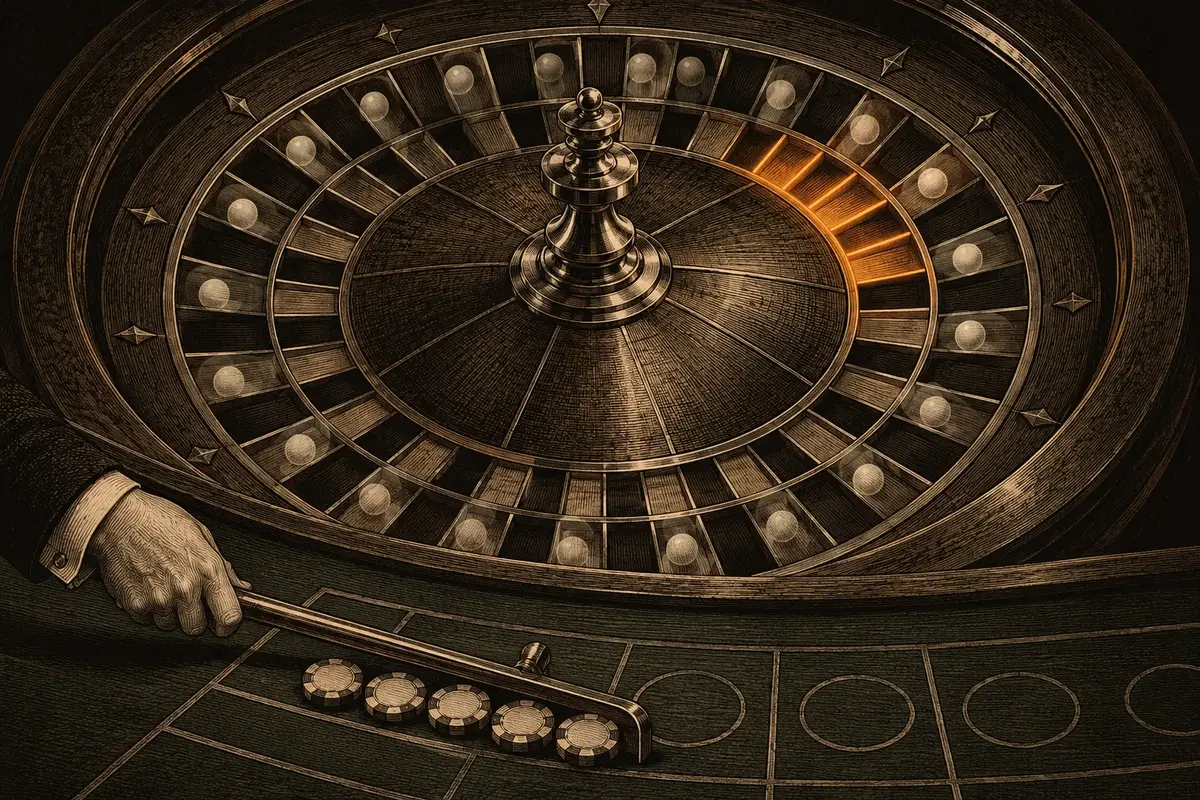
The other hits are 17 on spin 18, 2 on spin 23, 17 on spin 28, 6 on spin 35, 25 on spin 42 and 17 on spin 48. All other spins miss the sectorᱪᱟᱠᱟᱥᱮᱠᱴᱚᱨᱪᱟᱠᱟ ᱨᱮ ᱛᱟᱭᱚᱢ ᱛᱟᱭᱚᱢ ᱠᱷᱟᱱᱟ ᱨᱮᱭᱟᱜ ᱢᱤᱫ ᱜᱩᱞᱟᱹᱭ ᱦᱟᱹᱴᱤᱧ, ᱞᱮᱭᱟᱣᱴ ᱨᱮᱭᱟᱜ ᱜᱩᱴᱤ ᱠᱷᱚᱱ ᱟᱞᱟᱜ᱾ᱯᱩᱨᱟᱹ ᱯᱟᱲᱦᱟᱣ →. Seven hits earn $434 and 43 misses lose $430, leaving +$4. Moving the same seven hits to other positions would change the path but not this fixed-stake final total, provided all fifty bets could still be placed.
ᱥᱮᱠᱴᱚᱨ ᱪᱮᱫᱟᱜ
Total wagered: 50 × $10 = $500. Actual example result: +$4. For that fixed number of independent bets at the same stakes, expected result is −$13.51. The expected result is an average over possible sequences, not a fee deducted from this particular balance.
ᱵᱟᱭᱟᱥ ᱠᱷᱮᱞᱚᱸᱰ ᱫᱚ ᱪᱮᱫ ᱮᱴᱟᱜ ᱞᱮᱠᱟ ᱮ ᱠᱟᱹᱢᱤ ᱛᱟᱦᱮᱸᱫᱟ
The arc matters as a way to select numbers, not as an automatic advantage. On an independent uniform wheel, any five distinct numbers have the same payoutᱴᱟᱠᱟᱵᱷᱩᱜᱛᱟᱱᱡᱤᱛ ᱵᱟᱡᱤ ᱪᱮᱫ ᱨᱩᱣᱟᱹᱲᱟ, ᱨᱩᱣᱟᱹᱲ ᱵᱟᱡᱤ ᱴᱟᱠᱟ ᱪᱮᱛᱟᱱ “X ᱨᱮ 1” ᱞᱮᱠᱟ ᱨᱚᱲᱚᱜ-ᱟ᱾ᱯᱩᱨᱟᱹ ᱯᱟᱲᱦᱟᱣ → distribution at equal stakes. Seven hits in fifty spins are close to the expected 250/37, about 6.76, and do not establish a profitable bias. Testing a suspected physical bias requires a specified method, sufficient data and independent validation; there is no universal spin count that proves it.
ᱠᱩᱠᱞᱤ ᱠᱚ
ᱢᱤᱫ ᱜᱮ, ᱡᱩᱫᱤ ᱪᱟᱠᱟ ᱚᱱᱟ ᱦᱟᱹᱴᱤᱧ ᱥᱮᱫ ᱵᱟᱭᱟᱥ ᱵᱟᱝ ᱛᱟᱦᱮᱸᱱ ᱠᱷᱟᱱ, ᱟᱨ ᱚᱱᱟ ᱵᱟᱰᱟᱭ ᱞᱟᱹᱜᱤᱫ ᱦᱟᱡᱟᱨ ᱦᱟᱡᱟᱨ ᱜᱷᱩᱨᱟᱹᱣ ᱞᱟᱹᱠᱛᱤᱭᱟ᱾
With fifty fixed $10 bets, expected result is −$500/37, about −$13.51. The standard deviationᱜᱚᱱᱤᱛᱥᱴᱮᱱᱰᱟᱨᱰ ᱰᱤᱵᱷᱤᱭᱮᱥᱚᱱᱣᱮᱨᱤᱭᱮᱱᱥ ᱨᱮᱭᱟᱜ ᱵᱚᱜᱚ ᱢᱩᱞ; ᱟᱸᱫᱟᱡᱽ ᱜᱚᱱᱚᱝ ᱠᱷᱚᱱ ᱨᱮᱡᱟᱞᱴ ᱨᱮᱭᱟᱜ ᱥᱟᱫᱷᱟᱨᱚᱱ ᱥᱟᱦᱟ᱾ᱯᱩᱨᱟᱹ ᱯᱟᱲᱦᱟᱣ → is about $174.05. These describe a distribution, not a promised result.
That covers seven distinct pockets with seven equal straight-up chips. The hit probability is 7/37, about 18.92%. At the same total stake it has lower varianceᱜᱚᱱᱤᱛᱣᱮᱨᱤᱭᱮᱱᱥᱟᱸᱫᱟᱡᱽ ᱜᱚᱱᱚᱝ ᱜᱷᱮᱨᱟᱣ ᱨᱮᱡᱟᱞᱴ ᱛᱤᱱᱟᱹᱜ ᱯᱟᱥᱱᱟᱣᱚᱜ-ᱟ ᱚᱱᱟ ᱨᱮᱭᱟᱜ ᱥᱟᱯᱲᱟᱣ᱾ ᱥᱴᱨᱮᱴ ᱚᱯ ᱞᱟᱹᱜᱤᱫ ᱵᱟᱹᱲᱛᱤ, ᱥᱚᱢᱟᱱ ᱴᱟᱠᱟ ᱵᱟᱡᱤ ᱞᱟᱹᱜᱤᱫ ᱠᱚᱢ᱾ᱯᱩᱨᱟᱹ ᱯᱟᱲᱦᱟᱣ → than five-pocket coverage; at the same chip size it also costs more per spin.
ᱞᱟᱸᱫᱟ ᱞᱟᱹᱜᱤᱫ ᱠᱚᱢᱤᱠ
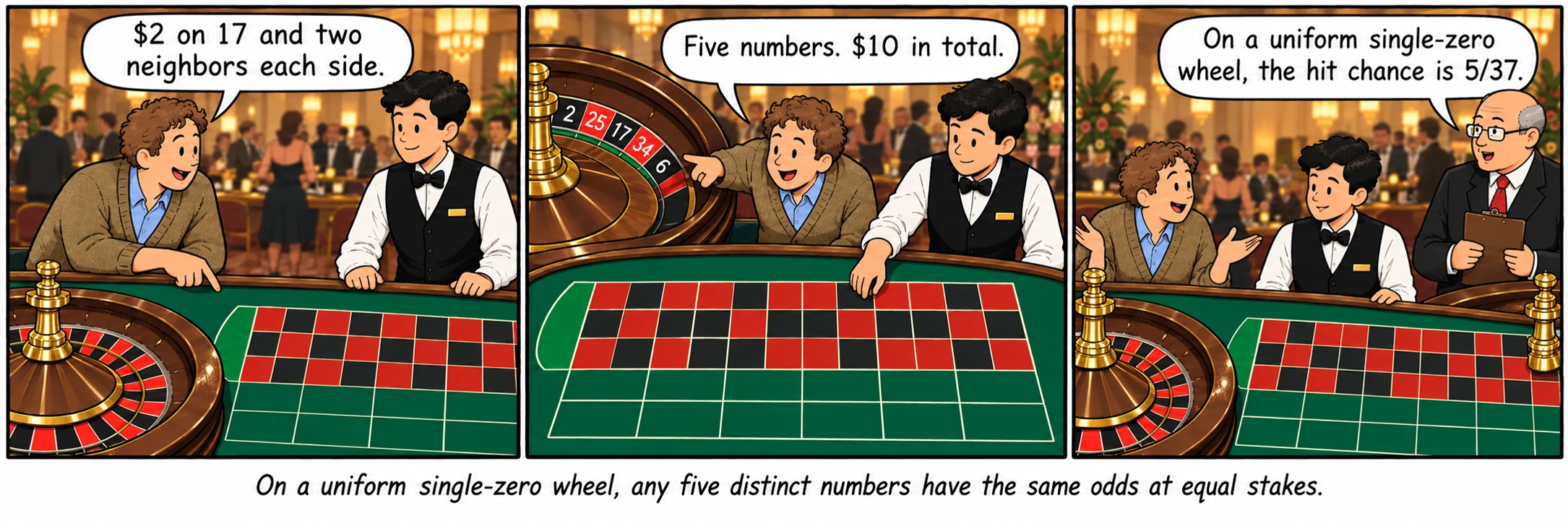
ᱢᱤᱫ ᱠᱟᱹᱦᱱᱤ ᱥᱟᱶ ᱢᱚᱬᱮ ᱥᱴᱨᱮᱴ ᱚᱯ᱾ ᱪᱟᱠᱟ ᱫᱚ ᱵᱟᱝ ᱯᱟᱲᱦᱟᱣᱟ᱾
ᱯᱷᱮᱰᱟᱛ
- Barnhart, R. T. Beating the Wheel.
- Ethier, S. N. The Doctrine of Chances: Probabilistic Aspects of Gambling.