ᱭᱩᱨᱚᱯᱤᱭᱟᱱ ᱨᱩᱞᱮᱴ
ᱯᱮ ᱜᱮᱞ ᱮᱭᱟᱭ ᱠᱷᱟᱱᱟ, ᱢᱤᱫ ᱡᱤᱨᱚ, 2.70%᱾ ᱢᱟᱯᱠᱟᱹᱴᱤ ᱪᱟᱠᱟ᱾
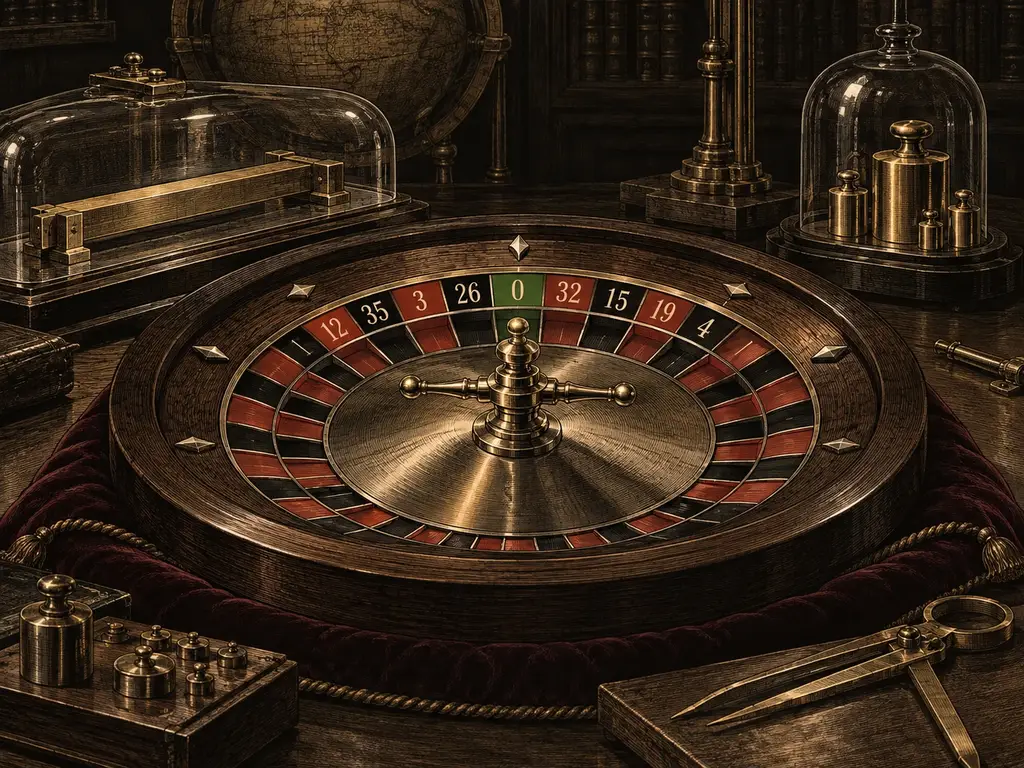
On a fair single-zero wheel, a standard bet covering n numbers pays 36/n − 1 to 1 and has a house edge of 1/37, about 2.70%. Special payouts and zero-return rules can change that figure.
ᱚᱠᱟᱨᱮ ᱧᱟᱢᱚᱜ-ᱟ
Single-zeroᱪᱟᱠᱟᱡᱤᱨᱚᱢᱤᱫᱜᱮ ᱦᱟᱹᱨᱭᱟᱹᱲ ᱠᱷᱟᱱᱟ ᱡᱟᱦᱟᱸ ᱥᱚᱢᱟᱱ ᱴᱟᱠᱟ, ᱰᱚᱡᱮᱱ ᱟᱨᱵᱟᱝ ᱠᱚᱞᱚᱢ ᱵᱟᱡᱤ ᱵᱟᱭ ᱠᱚᱵᱷᱟᱨᱟ; ᱠᱮᱥᱤᱱᱳ ᱵᱟᱲᱛᱤ ᱨᱮᱭᱟᱜ ᱢᱩᱞ᱾ ᱮᱴᱟᱜ ᱧᱩᱛᱩᱢ: ᱥᱤᱝᱜᱚᱞ ᱡᱤᱨᱚ, 0᱾ᱯᱩᱨᱟᱹ ᱯᱟᱲᱦᱟᱣ → roulette is offered on casino floors and online. A title or location alone does not establish its rules: count the pocketsᱥᱟᱡ ᱥᱟᱢᱟᱱᱠᱷᱟᱱᱟᱨᱚᱴᱚᱨ ᱨᱮᱭᱟᱜ 37 ᱮᱞ ᱚᱞ ᱠᱷᱟᱱᱟ ᱠᱷᱚᱱ ᱢᱤᱫ᱾ ᱮᱴᱟᱜ ᱧᱩᱛᱩᱢ: ᱥᱞᱚᱴ, ᱠᱟᱯ᱾ᱯᱩᱨᱟᱹ ᱯᱟᱲᱦᱟᱣ → and check the payoutᱴᱟᱠᱟᱵᱷᱩᱜᱛᱟᱱᱡᱤᱛ ᱵᱟᱡᱤ ᱪᱮᱫ ᱨᱩᱣᱟᱹᱲᱟ, ᱨᱩᱣᱟᱹᱲ ᱵᱟᱡᱤ ᱴᱟᱠᱟ ᱪᱮᱛᱟᱱ “X ᱨᱮ 1” ᱞᱮᱠᱟ ᱨᱚᱲᱚᱜ-ᱟ᱾ᱯᱩᱨᱟᱹ ᱯᱟᱲᱦᱟᱣ → table and treatment of zero.
ᱢᱤᱫ ᱡᱤᱨᱚ ᱨᱮᱭᱟᱜ ᱠᱷᱚᱨᱚᱪ: ᱥᱤᱝᱜᱚᱞ ᱡᱤᱨᱚ ᱨᱩᱞᱮᱴ ᱪᱟᱠᱟ
On a fair wheel, a straight upᱵᱟᱡᱤᱥᱴᱨᱮᱴ ᱚᱯᱢᱤᱫ ᱮᱞ, ᱵᱷᱩᱜᱛᱟᱱ 35:1᱾ᱯᱩᱨᱟᱹ ᱯᱟᱲᱦᱟᱣ → wins with probabilityᱜᱚᱱᱤᱛᱥᱚᱢᱵᱷᱟᱵᱱᱟᱢᱤᱫ ᱨᱮᱡᱟᱞᱴ ᱨᱮᱭᱟᱜ ᱥᱚᱢᱵᱷᱟᱵᱱᱟ, 0 ᱠᱷᱚᱱ 1 ᱟᱨᱵᱟᱝ 0% ᱠᱷᱚᱱ 100%᱾ ᱢᱤᱫ ᱮᱞ: 1/37 = 2.70%᱾ᱯᱩᱨᱟᱹ ᱯᱟᱲᱦᱟᱣ → 1/37 and pays 35 to 1. Its expected net result per unitᱴᱟᱠᱟᱭᱩᱱᱤᱴᱢᱤᱫ ᱥᱤᱥᱴᱮᱢ ᱟᱨᱵᱟᱝ ᱠᱷᱮᱞᱚᱸᱰ ᱵᱮᱵᱷᱟᱨ ᱵᱮᱥ ᱵᱟᱡᱤ ᱴᱟᱠᱟ᱾ ᱯᱨᱚᱜᱽᱨᱮᱥᱚᱱ ᱠᱚ ᱭᱩᱱᱤᱴ ᱛᱮ ᱵᱩᱡᱷᱟᱹᱣᱚᱜ-ᱟ ᱡᱮᱢᱚᱱ ᱡᱟᱦᱟᱸᱱ ᱴᱮᱵᱩᱞ ᱨᱮ ᱞᱟᱹᱜᱩ ᱦᱩᱭᱩᱜ-ᱟ᱾ᱯᱩᱨᱟᱹ ᱯᱟᱲᱦᱟᱣ → is 35/37 − 36/37 = −1/37 ≈ −2.70%. The standard bets in the table have the same expected result: each covers n of the 37 pockets and pays 36/n − 1 to 1. This assumes no special treatment of zero. The sequence of numbers around the wheel is the one used throughout this site: 0 32 15 19 4 21 2 25 17 34 6 27 13 36 11 30 8 23 10 5 24 16 33 1 20 14 31 9 22 18 29 7 28 12 35 3 26.
ᱮᱴᱟᱜ ᱠᱚ ᱥᱟᱶ ᱛᱩᱞᱟᱹᱣ
La partageᱱᱤᱭᱚᱢᱞᱟ ᱯᱟᱨᱛᱟᱡᱽᱯᱷᱨᱮᱧᱪ ᱱᱤᱭᱚᱢ: ᱡᱤᱨᱚ ᱦᱤᱡᱩᱜ ᱞᱮᱠᱷᱟᱱ ᱥᱚᱢᱟᱱ ᱴᱟᱠᱟ ᱵᱟᱡᱤ ᱨᱮᱭᱟᱜ ᱟᱫᱷᱟ ᱨᱩᱣᱟᱹᱲᱚᱜ-ᱟ᱾ ᱚᱱᱟ ᱵᱟᱡᱤ ᱠᱚ ᱨᱮ ᱠᱮᱥᱤᱱᱳ ᱵᱟᱲᱛᱤ ᱟᱫᱷᱟ, 1.35% ᱦᱩᱭᱩᱜ-ᱟ᱾ᱯᱩᱨᱟᱹ ᱯᱟᱲᱦᱟᱣ → on the same fair single-zero wheel halves the even-money edge by returning half the stake on zero. Standard double-zero even-money betsᱵᱟᱡᱤᱥᱚᱢᱟᱱ ᱴᱟᱠᱟ ᱵᱟᱡᱤᱟᱨᱟᱜ/ᱦᱮᱸᱫᱮ, ᱵᱤᱡᱳᱲ/ᱡᱳᱲ, ᱢᱟᱨᱟᱝ/ᱦᱩᱰᱤᱧ᱾ 18 ᱮᱞ, ᱵᱷᱩᱜᱛᱟᱱ 1:1᱾ᱯᱩᱨᱟᱹ ᱯᱟᱲᱦᱟᱣ → instead have an edge of 2/38, about 5.26%, almost twice the standard single-zero figure. Most numbered bets are familiar across the three formats, but the zero area, available combination bets and special rules can differ.
ᱭᱩᱨᱚᱯᱤᱭᱟᱱ ᱨᱩᱞᱮᱴ ᱪᱟᱠᱟ ᱨᱮ ᱠᱚᱞ ᱵᱟᱡᱤ
Traditional sectorᱪᱟᱠᱟᱥᱮᱠᱴᱚᱨᱪᱟᱠᱟ ᱨᱮ ᱛᱟᱭᱚᱢ ᱛᱟᱭᱚᱢ ᱠᱷᱟᱱᱟ ᱨᱮᱭᱟᱜ ᱢᱤᱫ ᱜᱩᱞᱟᱹᱭ ᱦᱟᱹᱴᱤᱧ, ᱞᱮᱭᱟᱣᱴ ᱨᱮᱭᱟᱜ ᱜᱩᱴᱤ ᱠᱷᱚᱱ ᱟᱞᱟᱜ᱾ᱯᱩᱨᱟᱹ ᱯᱟᱲᱦᱟᱣ → bets (voisins, tiers, orphelinsFR · ᱥᱮᱠᱴᱚᱨᱚᱨᱯᱷᱮᱞᱟᱸ“ᱵᱤᱱ ᱮᱸᱜᱟ ᱵᱟᱵᱟ ᱜᱤᱫᱽᱨᱤ”: ᱣᱟᱡᱟᱸ ᱟᱨ ᱛᱤᱭᱮᱨ ᱛᱟᱭᱚᱢ ᱵᱟᱧᱪᱟᱣ ᱤᱨᱟᱹᱞ ᱮᱞ: 17, 34, 6 ᱟᱨ 1, 20, 14, 31, 9᱾ᱯᱩᱨᱟᱹ ᱯᱟᱲᱦᱟᱣ →, neighborsᱵᱟᱡᱤᱯᱟᱲᱚᱥᱤᱪᱟᱠᱟ ᱨᱮ ᱢᱤᱫ ᱮᱞ ᱟᱨ ᱚᱱᱟ ᱨᱮᱭᱟᱜ ᱵᱟᱨᱭᱟ ᱥᱮᱫ ᱵᱟᱨ-ᱵᱟᱨ ᱠᱷᱟᱱᱟ, ᱢᱚᱬᱮ ᱥᱴᱨᱮᱴ ᱚᱯ ᱪᱤᱯ᱾ᱯᱩᱨᱟᱹ ᱯᱟᱲᱦᱟᱣ →) use the wheel sequence to group numbers. A game may offer them through a racetrackᱴᱮᱵᱩᱞᱨᱮᱥᱴᱨᱮᱠᱞᱟᱭᱤᱵᱷ ᱟᱨ ᱤᱞᱮᱠᱴᱨᱚᱱᱤᱠ ᱞᱮᱭᱟᱣᱴ ᱨᱮ ᱪᱟᱠᱟ ᱛᱷᱟᱨ ᱨᱮ ᱮᱞ ᱩᱫᱩᱜ ᱰᱤᱢ ᱟᱠᱟᱨ ᱯᱚᱴᱤ, ᱯᱟᱲᱚᱥᱤ ᱟᱨ ᱥᱮᱠᱴᱚᱨ ᱵᱟᱡᱤ ᱢᱤᱫ ᱴᱤᱯ ᱛᱮ ᱫᱚᱦᱚ ᱞᱟᱹᱜᱤᱫ᱾ᱯᱩᱨᱟᱹ ᱯᱟᱲᱦᱟᱣ → or special-bets panel; check which combinations are available. When these combinations use standard component bets on a fair single-zero wheel, their house edgeᱜᱚᱱᱤᱛᱠᱮᱥᱤᱱᱳ ᱵᱟᱲᱛᱤᱡᱚᱛᱚ ᱵᱟᱡᱤ ᱴᱟᱠᱟ ᱠᱷᱚᱱ ᱠᱮᱥᱤᱱᱳ ᱟᱣᱥᱚᱛ ᱛᱮ ᱫᱚᱦᱚᱭ ᱦᱟᱹᱴᱤᱧ: ᱭᱩᱨᱚᱯᱤᱭᱟᱱ ᱨᱩᱞᱮᱴ ᱨᱮ 2.70%᱾ᱯᱩᱨᱟᱹ ᱯᱟᱲᱦᱟᱣ → is also about 2.70% of the total stake.
ᱧᱩᱛᱩᱢ ᱵᱟᱵᱚᱛ ᱢᱤᱫ ᱠᱟᱛᱷᱟ
The game name alone does not settle the rules. Count the pockets and check the payout table and treatment of zero. On a fair single-zero wheel, la partage reduces the even-money edge to 1/74, about 1.35%. Other special rules need their own calculation.
ᱠᱩᱠᱞᱤ ᱠᱚ
For standard even-money bets, a fair single-zero table with la partage has a lower house edge than one where zero loses the whole stake: about 1.35% versus 2.70%. Compare the rules and payouts of the particular games rather than ranking them by name alone.
ᱟᱹᱰᱤ ᱞᱟᱭᱤᱵᱷ ᱴᱮᱵᱩᱞ ᱨᱮ, ᱦᱮᱸ᱾ ᱛᱤᱱᱟᱹᱜ ᱜᱟᱱ RNG ᱴᱮᱵᱩᱞ ᱨᱮ ᱵᱟᱹᱱᱩᱜ-ᱟ᱾
ᱞᱟᱸᱫᱟ ᱞᱟᱹᱜᱤᱫ ᱠᱚᱢᱤᱠ
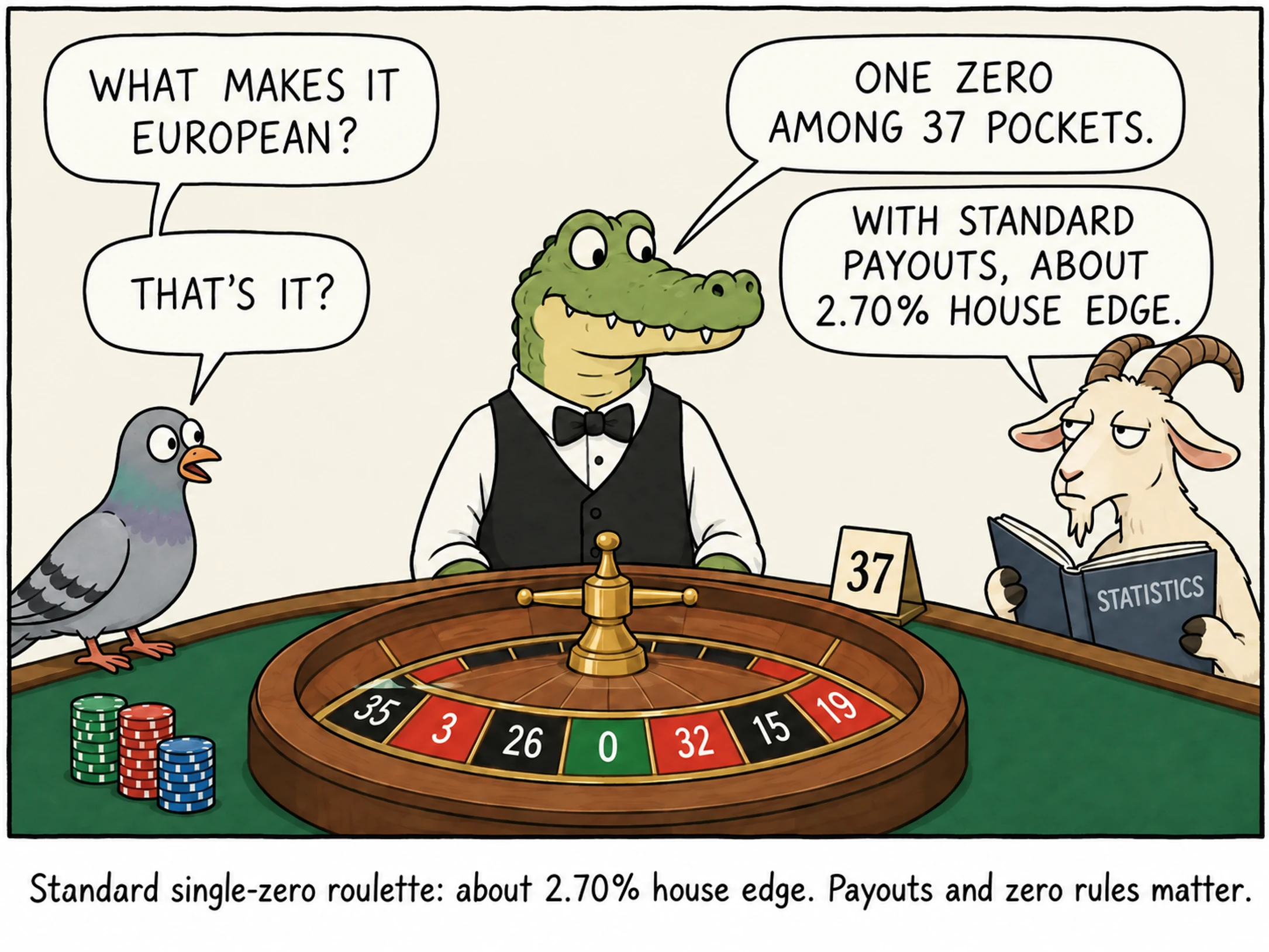
ᱢᱟᱯᱠᱟᱹᱴᱤ ᱪᱟᱠᱟ᱾ ᱢᱤᱫ ᱡᱤᱨᱚ, 2.70%᱾
ᱯᱷᱮᱰᱟᱛ
- Ethier, S. N. The Doctrine of Chances: Probabilistic Aspects of Gambling.