ᱨᱩᱞᱮᱴ ᱟᱨ ᱜᱚᱱᱤᱛ ᱥᱮᱪᱮᱫ
ᱨᱩᱞᱮᱴ ᱪᱟᱠᱟ ᱥᱚᱢᱵᱷᱟᱵᱱᱟ ᱧᱮᱞ ᱞᱮᱠᱟ ᱟᱞᱜᱟ ᱛᱮ ᱵᱩᱡᱷᱟᱹᱣ ᱮᱢᱟ᱾ ᱱᱚᱰᱮ ᱧᱮᱞ ᱯᱮ ᱡᱩᱣᱟ ᱞᱟᱹᱜᱤᱫ ᱩᱥᱠᱟᱹᱨ ᱵᱮᱜᱚᱨ ᱯᱟᱲᱦᱟᱣ ᱨᱮ ᱱᱚᱶᱟ ᱪᱮᱫ ᱞᱮᱠᱟ ᱵᱮᱵᱷᱟᱨ ᱫᱟᱲᱮᱭᱟᱜ-ᱟ᱾
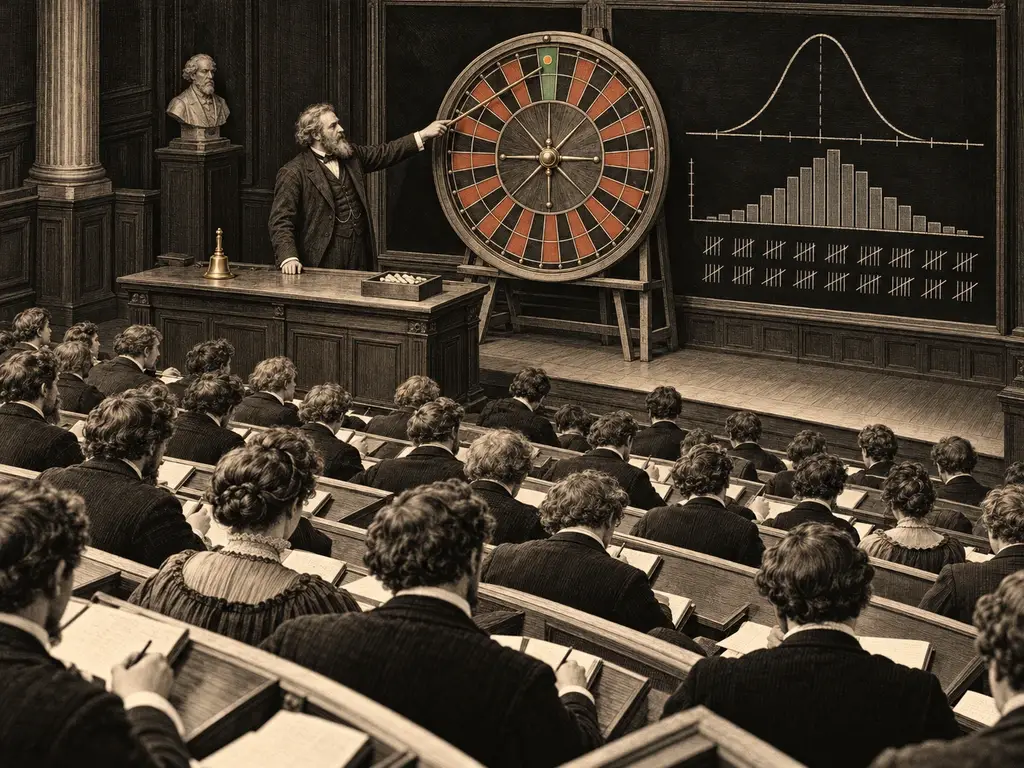
A model with 37 equally likely, independent outcomes connects counting, expectation, varianceᱜᱚᱱᱤᱛᱣᱮᱨᱤᱭᱮᱱᱥᱟᱸᱫᱟᱡᱽ ᱜᱚᱱᱚᱝ ᱜᱷᱮᱨᱟᱣ ᱨᱮᱡᱟᱞᱴ ᱛᱤᱱᱟᱹᱜ ᱯᱟᱥᱱᱟᱣᱚᱜ-ᱟ ᱚᱱᱟ ᱨᱮᱭᱟᱜ ᱥᱟᱯᱲᱟᱣ᱾ ᱥᱴᱨᱮᱴ ᱚᱯ ᱞᱟᱹᱜᱤᱫ ᱵᱟᱹᱲᱛᱤ, ᱥᱚᱢᱟᱱ ᱴᱟᱠᱟ ᱵᱟᱡᱤ ᱞᱟᱹᱜᱤᱫ ᱠᱚᱢ᱾ᱯᱩᱨᱟᱹ ᱯᱟᱲᱦᱟᱣ →, repeated events and hypothesis testing. State the assumptions, use simulated outcomes without real stakes, and distinguish a mathematical result from a claim about how students learn.
ᱪᱮᱫᱟᱜ ᱨᱩᱞᱮᱴ
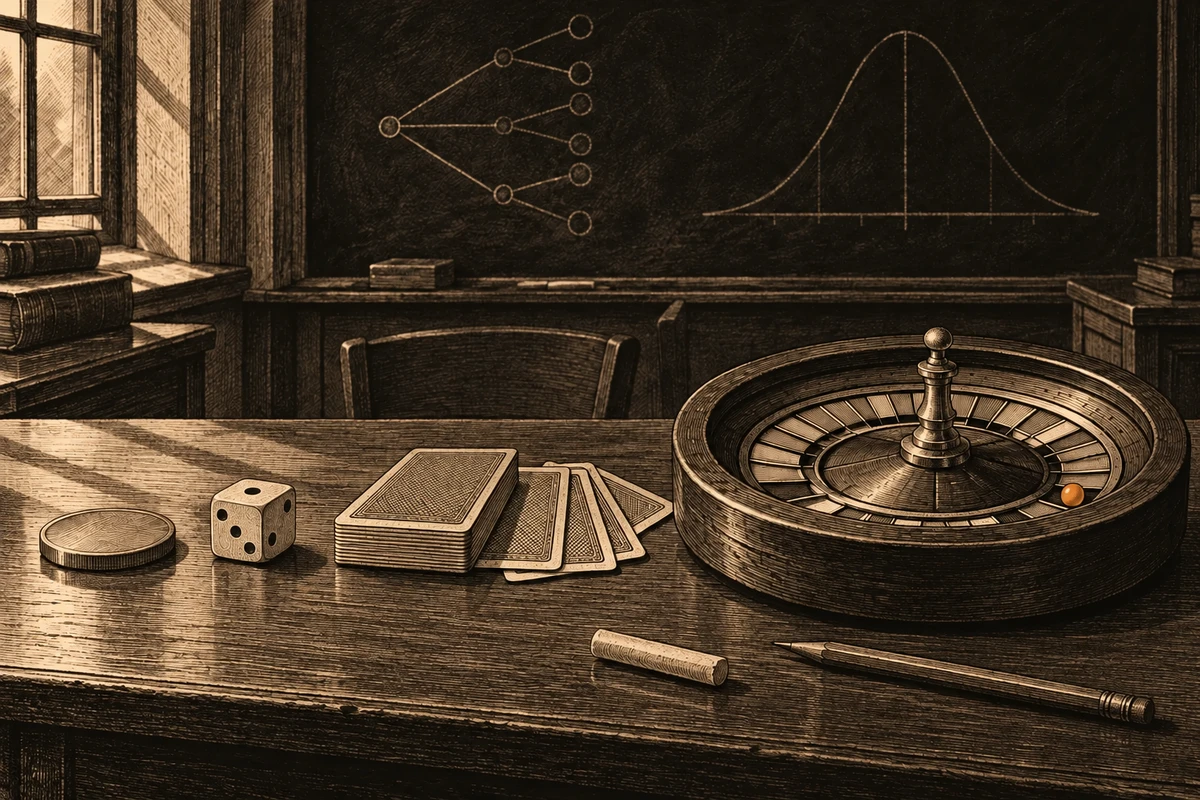
A fair single-zeroᱪᱟᱠᱟᱡᱤᱨᱚᱢᱤᱫᱜᱮ ᱦᱟᱹᱨᱭᱟᱹᱲ ᱠᱷᱟᱱᱟ ᱡᱟᱦᱟᱸ ᱥᱚᱢᱟᱱ ᱴᱟᱠᱟ, ᱰᱚᱡᱮᱱ ᱟᱨᱵᱟᱝ ᱠᱚᱞᱚᱢ ᱵᱟᱡᱤ ᱵᱟᱭ ᱠᱚᱵᱷᱟᱨᱟ; ᱠᱮᱥᱤᱱᱳ ᱵᱟᱲᱛᱤ ᱨᱮᱭᱟᱜ ᱢᱩᱞ᱾ ᱮᱴᱟᱜ ᱧᱩᱛᱩᱢ: ᱥᱤᱝᱜᱚᱞ ᱡᱤᱨᱚ, 0᱾ᱯᱩᱨᱟᱹ ᱯᱟᱲᱦᱟᱣ → roulette model offers 37 outcomes and a convenient payoutᱴᱟᱠᱟᱵᱷᱩᱜᱛᱟᱱᱡᱤᱛ ᱵᱟᱡᱤ ᱪᱮᱫ ᱨᱩᱣᱟᱹᱲᱟ, ᱨᱩᱣᱟᱹᱲ ᱵᱟᱡᱤ ᱴᱟᱠᱟ ᱪᱮᱛᱟᱱ “X ᱨᱮ 1” ᱞᱮᱠᱟ ᱨᱚᱲᱚᱜ-ᱟ᱾ᱯᱩᱨᱟᱹ ᱯᱟᱲᱦᱟᱣ → formula. It is one example among many: coins, dice and cards can also illustrate probabilityᱜᱚᱱᱤᱛᱥᱚᱢᱵᱷᱟᱵᱱᱟᱢᱤᱫ ᱨᱮᱡᱟᱞᱴ ᱨᱮᱭᱟᱜ ᱥᱚᱢᱵᱷᱟᱵᱱᱟ, 0 ᱠᱷᱚᱱ 1 ᱟᱨᱵᱟᱝ 0% ᱠᱷᱚᱱ 100%᱾ ᱢᱤᱫ ᱮᱞ: 1/37 = 2.70%᱾ᱯᱩᱨᱟᱹ ᱯᱟᱲᱦᱟᱣ →, repeated outcomes and statistical tests. Drawing cards with replacement gives a different model from drawing without replacement.
Uniformity and independence are assumptions to examine, not properties guaranteed by a wheel’s appearance. For a standard bet covering n numbers and paying 36/n − 1 unitsᱴᱟᱠᱟᱭᱩᱱᱤᱴᱢᱤᱫ ᱥᱤᱥᱴᱮᱢ ᱟᱨᱵᱟᱝ ᱠᱷᱮᱞᱚᱸᱰ ᱵᱮᱵᱷᱟᱨ ᱵᱮᱥ ᱵᱟᱡᱤ ᱴᱟᱠᱟ᱾ ᱯᱨᱚᱜᱽᱨᱮᱥᱚᱱ ᱠᱚ ᱭᱩᱱᱤᱴ ᱛᱮ ᱵᱩᱡᱷᱟᱹᱣᱚᱜ-ᱟ ᱡᱮᱢᱚᱱ ᱡᱟᱦᱟᱸᱱ ᱴᱮᱵᱩᱞ ᱨᱮ ᱞᱟᱹᱜᱩ ᱦᱩᱭᱩᱜ-ᱟ᱾ᱯᱩᱨᱟᱹ ᱯᱟᱲᱦᱟᱣ → of profit on a win, the expected net result per unit staked is −1/37. Special payouts and zero rules change that result.
ᱯᱟᱲᱦᱟᱣ ᱨᱮᱭᱟᱜ ᱛᱷᱟᱨ
ᱮᱴᱟᱜ ᱞᱟᱹᱭ ᱵᱟᱝ ᱛᱟᱦᱮᱸ ᱠᱷᱟᱱ, ᱱᱚᱶᱟ ᱫᱟᱹᱭᱠᱟᱹ ᱠᱚ ᱫᱚ 0–36 ᱨᱮ ᱟᱡᱟᱫ, ᱥᱚᱢᱟᱱ ᱵᱟᱸᱴᱟᱣ ᱨᱮᱡᱟᱞᱴ ᱠᱚ ᱢᱮᱱ ᱮᱫᱟ᱾
ᱡᱩᱣᱟ ᱵᱟᱝ ᱥᱮᱪᱮᱫ ᱠᱟᱛᱮ ᱥᱮᱪᱮᱫ
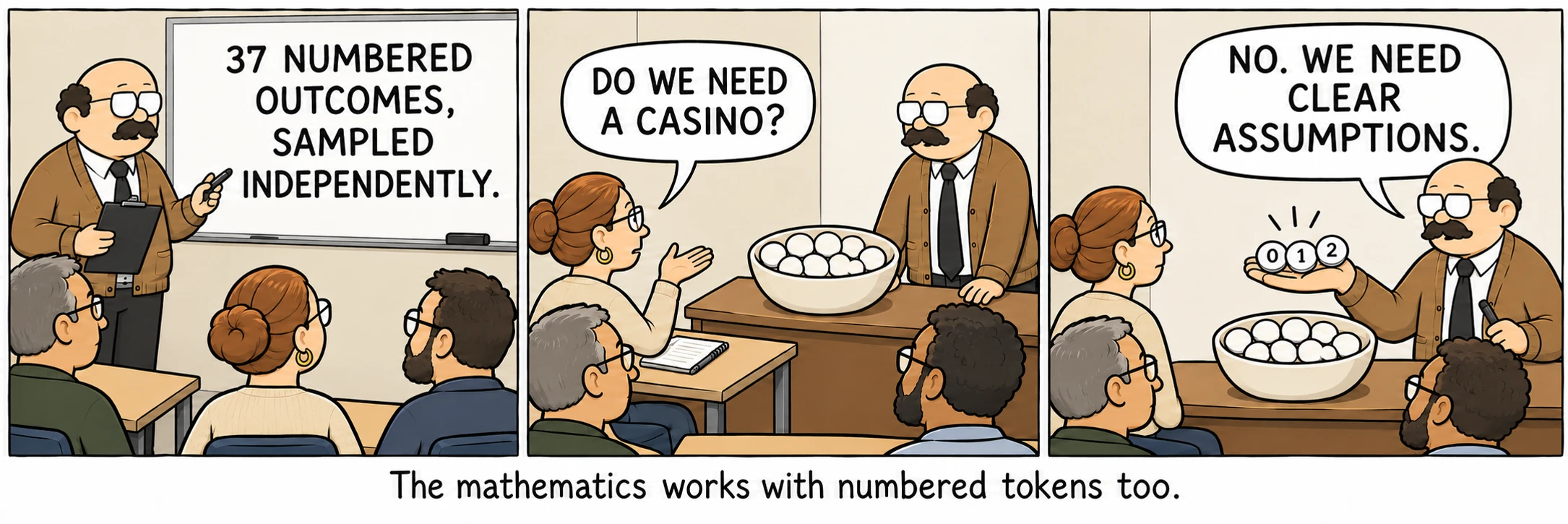
Keep real money out of the activity. A spreadsheet or a set of numbered tokens can reproduce the mathematics without a casino setting. Choose the framing for the learners and the institution; a negative-expectation explanation alone does not establish that a gambling-themed activity is suitable for every class.
Ask learners to state the sample space, payout and independence assumptions before calculating. A simulation illustrates variability; one losing session is not a proof that a system fails, and one winning session is not evidence that it works.
ᱠᱟᱹᱢᱤᱭᱟᱜ ᱠᱟᱹᱢᱤ
Compare predictions with calculations, without presenting invented guesses as classroom data. For the birthday problemᱜᱚᱱᱤᱛᱡᱟᱱᱟᱢ ᱫᱤᱱ ᱥᱚᱢᱥᱭᱟᱵᱟᱨ ᱦᱚᱲ ᱨᱮᱭᱟᱜ ᱢᱤᱫ ᱡᱟᱱᱟᱢ ᱫᱤᱱ ᱦᱩᱭ ᱥᱚᱢᱵᱷᱟᱵᱱᱟ ᱞᱟᱹᱜᱤᱫ ᱛᱤᱱᱟᱹᱜ ᱦᱚᱲ ᱞᱟᱹᱠᱛᱤ, ᱟᱨᱵᱟᱝ ᱢᱤᱫ ᱮᱞ ᱫᱚᱦᱲᱟ ᱦᱤᱡᱩᱜ ᱥᱚᱢᱵᱷᱟᱵᱱᱟ ᱞᱟᱹᱜᱤᱫ ᱛᱤᱱᱟᱹᱜ ᱜᱷᱩᱨᱟᱹᱣ᱾ 37 ᱠᱷᱟᱱᱟ ᱪᱟᱠᱟ ᱨᱮ 8 ᱜᱷᱩᱨᱟᱹᱣ ᱛᱮ ᱜᱮ ᱥᱚᱢᱥᱚᱢ ᱠᱷᱚᱱ ᱵᱮᱥ ᱥᱚᱢᱵᱷᱟᱵᱱᱟ ᱦᱩᱭᱩᱜ-ᱟ᱾ᱯᱩᱨᱟᱹ ᱯᱟᱲᱦᱟᱣ →, record the first repeat in several simulated sequences and compare the distribution with the exact model. Separate the probability of a repeat by a given draw from the expected waiting time.
For a multiple-comparisons exercise, generate many independent fair histories and record the largest pocketᱥᱟᱡ ᱥᱟᱢᱟᱱᱠᱷᱟᱱᱟᱨᱚᱴᱚᱨ ᱨᱮᱭᱟᱜ 37 ᱮᱞ ᱚᱞ ᱠᱷᱟᱱᱟ ᱠᱷᱚᱱ ᱢᱤᱫ᱾ ᱮᱴᱟᱜ ᱧᱩᱛᱩᱢ: ᱥᱞᱚᱴ, ᱠᱟᱯ᱾ᱯᱩᱨᱟᱹ ᱯᱟᱲᱦᱟᱣ → count in each. Compare those maxima with the count for one pocket selected in advance. Shuffling a history preserves all pocket counts, so it cannot test whether a high count is unusual under a uniform model.
For staking systems, record the rules, bankrollᱴᱟᱠᱟᱠᱷᱮᱞ ᱯᱩᱸᱡᱤᱠᱷᱮᱞ ᱞᱟᱹᱜᱤᱫ ᱟᱞᱟᱜ ᱫᱚᱦᱚ ᱟᱠᱟᱱ ᱡᱚᱛᱚ ᱴᱟᱠᱟ᱾ ᱠᱷᱮᱞ ᱯᱩᱸᱡᱤ ᱥᱟᱢᱵᱷᱟᱞ ᱫᱚ ᱢᱮᱱᱮᱛ ᱢᱤᱫ ᱵᱟᱡᱤ ᱟᱨ ᱢᱤᱫ ᱥᱮᱥᱚᱱ ᱨᱮ ᱚᱱᱟ ᱠᱷᱚᱱ ᱛᱤᱱᱟᱹᱜ ᱡᱚᱠᱷᱤᱢ ᱨᱮ ᱫᱚᱦᱚᱭ ᱚᱱᱟ ᱴᱷᱟᱹᱣᱠᱟᱹ᱾ᱯᱩᱨᱟᱹ ᱯᱟᱲᱦᱟᱣ →, table limitᱴᱮᱵᱩᱞᱴᱮᱵᱩᱞ ᱥᱤᱢᱟᱹᱦᱩᱠᱩᱢ ᱢᱮᱱᱟᱜ ᱠᱚᱢ ᱥᱮ ᱠᱚᱢ ᱟᱨ ᱵᱮᱥᱤ ᱥᱮ ᱵᱮᱥᱤ ᱵᱟᱡᱤ᱾ ᱵᱮᱥᱤ ᱥᱮ ᱵᱮᱥᱤ ᱥᱤᱢᱟᱹ ᱜᱮ ᱰᱚᱵᱚᱞ ᱯᱨᱚᱜᱽᱨᱮᱥᱚᱱ ᱵᱚᱸᱫᱟ᱾ᱯᱩᱨᱟᱹ ᱯᱟᱲᱦᱟᱣ →, stopping condition and total amount wagered. Compare many runs with the appropriate mathematical expectation; do not assume every progressionᱥᱴᱨᱮᱴᱮᱡᱤᱯᱨᱚᱜᱽᱨᱮᱥᱚᱱᱢᱟᱨᱮ ᱨᱮᱡᱟᱞᱴ ᱞᱮᱠᱟ ᱛᱮ ᱵᱟᱡᱤ ᱴᱟᱠᱟ ᱵᱚᱫᱚᱞ ᱡᱟᱦᱟᱸᱱ ᱱᱤᱭᱚᱢ᱾ ᱱᱮᱜᱮᱴᱤᱵᱷ ᱯᱨᱚᱜᱽᱨᱮᱥᱚᱱ ᱦᱟᱨᱟᱣ ᱛᱟᱭᱚᱢ ᱵᱟᱲᱦᱟᱣᱟ, ᱯᱚᱡᱤᱴᱤᱵᱷ ᱡᱤᱛ ᱛᱟᱭᱚᱢ᱾ᱯᱩᱨᱟᱹ ᱯᱟᱲᱦᱟᱣ → has a fixed session win rate.
ᱪᱮᱫᱟᱜ ᱩᱭᱦᱟᱹᱨ ᱨᱮ ᱛᱟᱦᱮᱸᱱᱟ
A worked example can connect an equation to observable outcomes. Whether this setting improves learning or retention would require educational evidence; anecdotes about memorable casino stories do not establish that. Ask learners to explain the assumptions and transfer the method to a neutral example, such as numbered tokens drawn with replacement.
ᱠᱩᱠᱞᱤ ᱠᱚ
No. Follow the institution’s requirements and the learners’ needs. Neutral numbered outcomes can teach the same mathematics without a gambling setting.
Define the sample space and independence assumptions, calculate a simple expectation, then compare repeated simulated results. The House Edgeᱜᱚᱱᱤᱛᱠᱮᱥᱤᱱᱳ ᱵᱟᱲᱛᱤᱡᱚᱛᱚ ᱵᱟᱡᱤ ᱴᱟᱠᱟ ᱠᱷᱚᱱ ᱠᱮᱥᱤᱱᱳ ᱟᱣᱥᱚᱛ ᱛᱮ ᱫᱚᱦᱚᱭ ᱦᱟᱹᱴᱤᱧ: ᱭᱩᱨᱚᱯᱤᱭᱟᱱ ᱨᱩᱞᱮᱴ ᱨᱮ 2.70%᱾ᱯᱩᱨᱟᱹ ᱯᱟᱲᱦᱟᱣ → and Variance pages provide worked examples.
ᱱᱚᱶᱟ ᱨᱮ ᱥᱟᱹᱨᱤ ᱴᱟᱠᱟ, ᱮᱠᱟᱣᱩᱱᱴ ᱟᱨ ᱚᱯᱟᱨᱮᱴᱚᱨ ᱥᱟᱶ ᱞᱤᱝᱠ ᱵᱟᱹᱱᱩᱜ-ᱟ᱾
ᱞᱟᱸᱫᱟ ᱞᱟᱹᱜᱤᱫ ᱠᱚᱢᱤᱠ
ᱯᱮ ᱜᱮᱞ ᱮᱭᱟᱭ ᱨᱮᱡᱟᱞᱴ, ᱢᱤᱫᱴᱟᱹᱝ ᱠᱮᱥᱤᱱᱳ ᱵᱟᱲᱛᱤ, ᱥᱮᱪᱮᱫ ᱞᱟᱹᱜᱤᱫ ᱵᱟᱨ ᱥᱟᱭ ᱥᱮᱨᱢᱟ ᱨᱮᱭᱟᱜ ᱵᱷᱩᱞ᱾
ᱯᱷᱮᱰᱟᱛ
- Feller, W. An Introduction to Probability Theory and Its Applications, Vol. 1.
- Ethier, S. N. The Doctrine of Chances: Probabilistic Aspects of Gambling.