ᱨᱩᱞᱮᱴ ᱥᱯᱨᱮᱰ ᱵᱟᱡᱤ ᱟᱨ ᱦᱮᱡᱤᱝ
ᱟᱡ ᱛᱮ ᱟᱡ ᱵᱤᱨᱩᱫᱷ ᱵᱟᱡᱤ ᱞᱟᱜᱟᱣ ᱠᱟᱛᱮ ᱚᱨᱡᱚ “ᱥᱟᱯᱲᱟᱣ” ᱫᱚ ᱨᱟᱠᱷᱟ ᱞᱮᱠᱟ ᱵᱩᱡᱷᱟᱹᱣᱚᱜ-ᱟ᱾ ᱱᱚᱶᱟ ᱫᱚ ᱩᱱᱤ 2.70% ᱜᱮ ᱠᱟᱱᱟ, ᱢᱮᱱᱠᱷᱟᱱ ᱵᱮᱥᱤ ᱪᱤᱯ ᱨᱮ ᱮᱢᱚᱜ-ᱟ᱾
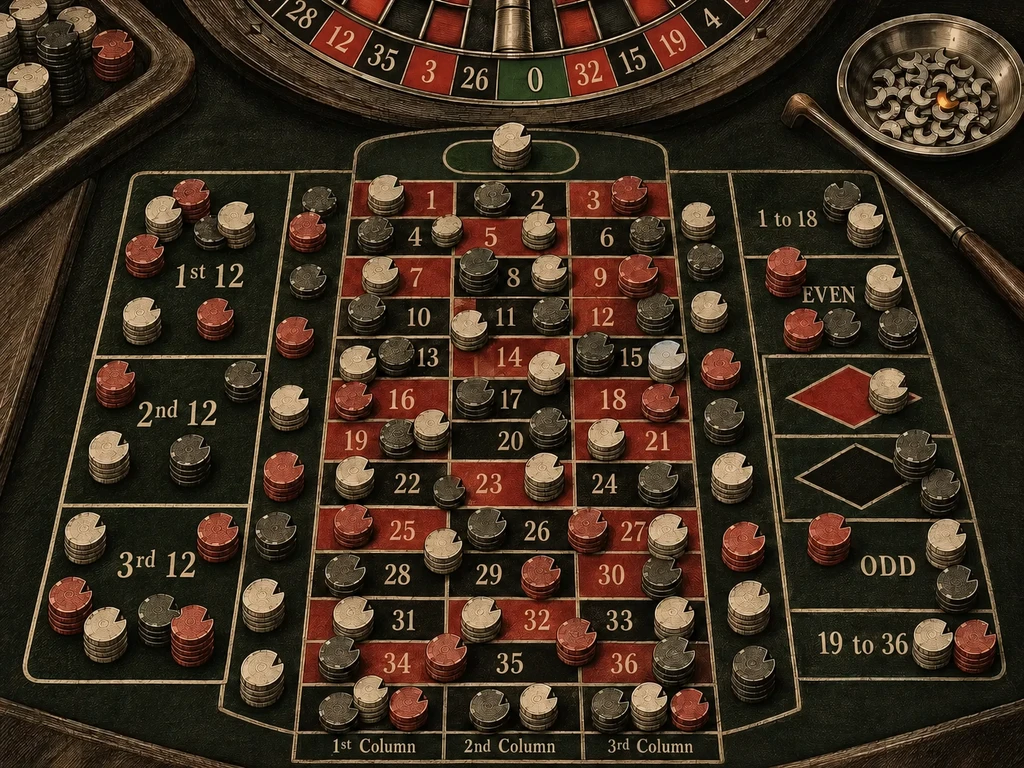
Combining bets changes their net outcomes. Adding chips increases expected loss under the same rules; redistributing a fixed total stake preserves expected loss but can change varianceᱜᱚᱱᱤᱛᱣᱮᱨᱤᱭᱮᱱᱥᱟᱸᱫᱟᱡᱽ ᱜᱚᱱᱚᱝ ᱜᱷᱮᱨᱟᱣ ᱨᱮᱡᱟᱞᱴ ᱛᱤᱱᱟᱹᱜ ᱯᱟᱥᱱᱟᱣᱚᱜ-ᱟ ᱚᱱᱟ ᱨᱮᱭᱟᱜ ᱥᱟᱯᱲᱟᱣ᱾ ᱥᱴᱨᱮᱴ ᱚᱯ ᱞᱟᱹᱜᱤᱫ ᱵᱟᱹᱲᱛᱤ, ᱥᱚᱢᱟᱱ ᱴᱟᱠᱟ ᱵᱟᱡᱤ ᱞᱟᱹᱜᱤᱫ ᱠᱚᱢ᱾ᱯᱩᱨᱟᱹ ᱯᱟᱲᱦᱟᱣ → and profit probability.
ᱨᱩᱞᱮᱴ ᱦᱮᱡᱤᱝ ᱥᱴᱨᱮᱴᱮᱡᱤ ᱨᱮᱭᱟᱜ ᱵᱩᱡᱷᱟᱹᱣ
A chipᱴᱟᱠᱟᱪᱤᱯᱛᱷᱤᱠ ᱴᱟᱠᱟ ᱨᱮᱭᱟᱜ ᱪᱤᱱᱦᱟᱹ ᱴᱚᱠᱮᱱ, ᱵᱟᱡᱤ ᱞᱟᱹᱜᱤᱫ ᱞᱮᱭᱟᱣᱴ ᱨᱮ ᱫᱚᱦᱚᱜ-ᱟ᱾ ᱮᱴᱟᱜ ᱧᱩᱛᱩᱢ: ᱪᱮᱠ᱾ᱯᱩᱨᱟᱹ ᱯᱟᱲᱦᱟᱣ → on redᱵᱟᱡᱤᱟᱨᱟᱜ18 ᱟᱨᱟᱜ ᱮᱞ ᱨᱮ ᱥᱚᱢᱟᱱ ᱴᱟᱠᱟ ᱵᱟᱡᱤ᱾ ᱯᱷᱨᱮᱧᱪ ᱨᱮ: ᱨᱩᱡᱽ᱾ᱯᱩᱨᱟᱹ ᱯᱟᱲᱦᱟᱣ → and a chip on columnᱵᱟᱡᱤᱠᱚᱞᱚᱢᱞᱮᱭᱟᱣᱴ ᱨᱮᱭᱟᱜ ᱢᱤᱫ ᱛᱷᱤᱨ ᱠᱚᱞᱚᱢ ᱨᱮ ᱜᱮᱞᱵᱟᱨ ᱮᱞ, ᱵᱷᱩᱜᱛᱟᱱ 2:1᱾ᱯᱩᱨᱟᱹ ᱯᱟᱲᱦᱟᱣ → 3 cover 22 distinct numbers, but coverage is not the same as a net profit: some winning chips merely offset losing ones. The stake sizes and overlap determine the full distribution. Adding a bet can increase absolute swings even if it feels like protection.
ᱦᱤᱥᱟᱹᱵ
Expected valuesᱜᱚᱱᱤᱛᱟᱸᱫᱟᱡᱽ ᱜᱚᱱᱚᱝᱡᱮᱞᱮᱧ ᱚᱠᱛᱚ ᱨᱮ ᱢᱤᱫ ᱵᱟᱡᱤ ᱨᱮᱭᱟᱜ ᱟᱣᱥᱚᱛ ᱨᱮᱡᱟᱞᱴ᱾ ᱡᱚᱛᱚ ᱥᱟᱫᱷᱟᱨᱚᱱ ᱭᱩᱨᱚᱯᱤᱭᱟᱱ ᱵᱟᱡᱤ ᱨᱮ ᱵᱟᱡᱤ ᱴᱟᱠᱟ ᱨᱮᱭᱟᱜ −1/37᱾ᱯᱩᱨᱟᱹ ᱯᱟᱲᱦᱟᱣ → add. Red is −1/37 of its stake; the column chip is −1/37 of its stake; together they are −1/37 of the total. Profit probabilityᱜᱚᱱᱤᱛᱥᱚᱢᱵᱷᱟᱵᱱᱟᱢᱤᱫ ᱨᱮᱡᱟᱞᱴ ᱨᱮᱭᱟᱜ ᱥᱚᱢᱵᱷᱟᱵᱱᱟ, 0 ᱠᱷᱚᱱ 1 ᱟᱨᱵᱟᱝ 0% ᱠᱷᱚᱱ 100%᱾ ᱢᱤᱫ ᱮᱞ: 1/37 = 2.70%᱾ᱯᱩᱨᱟᱹ ᱯᱟᱲᱦᱟᱣ → need not increase: $10 on red plus $5 on column 3 still profits on only the 18 red numbers. The Bet Builder tool enumerates all 37 outcomes for any set of chips and shows the distribution and the expected return for the chosen total stake.
ᱟᱨᱟᱜ ᱥᱟᱶ ᱦᱮᱸᱫᱮ
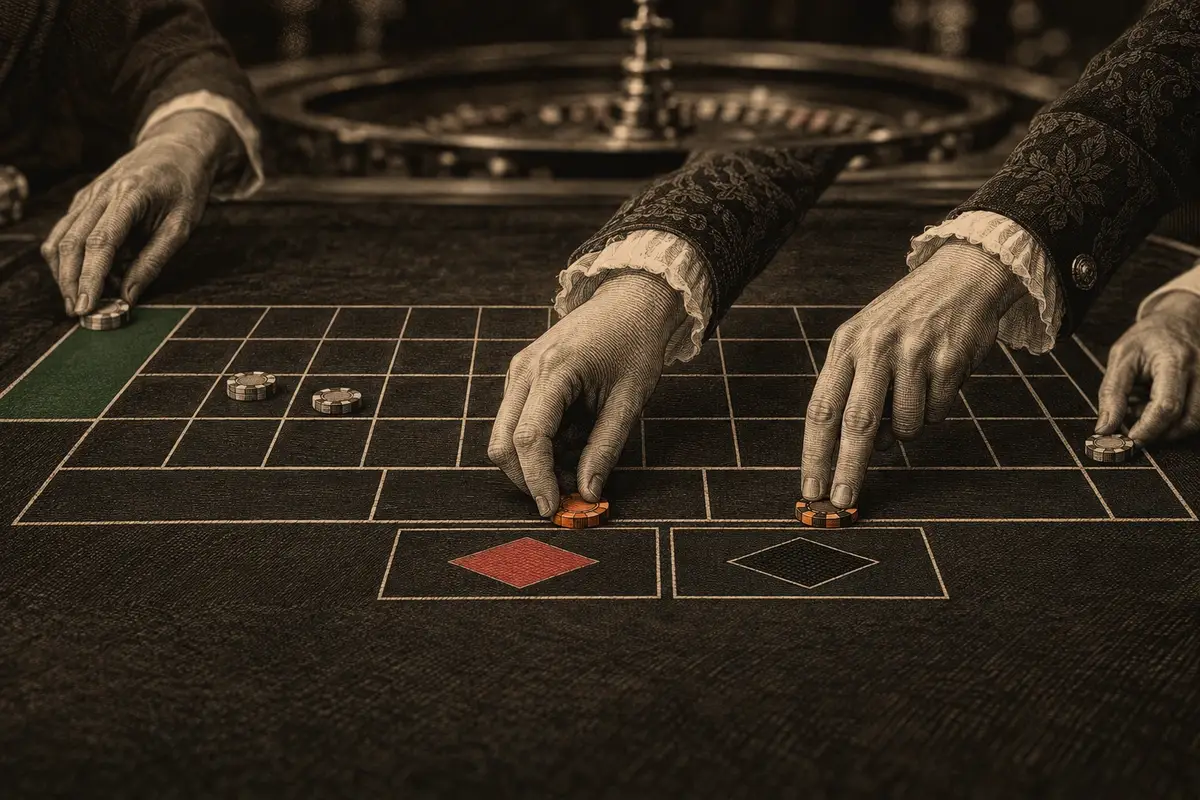
Equal stakes on red and blackᱵᱟᱡᱤᱦᱮᱸᱫᱮ18 ᱦᱮᱸᱫᱮ ᱮᱞ ᱨᱮ ᱥᱚᱢᱟᱱ ᱴᱟᱠᱟ ᱵᱟᱡᱤ᱾ ᱯᱷᱨᱮᱧᱪ ᱨᱮ: ᱱᱣᱟᱨ᱾ᱯᱩᱨᱟᱹ ᱯᱟᱲᱦᱟᱣ → break even on every nonzero result and lose both stakes on zeroᱪᱟᱠᱟᱡᱤᱨᱚᱢᱤᱫᱜᱮ ᱦᱟᱹᱨᱭᱟᱹᱲ ᱠᱷᱟᱱᱟ ᱡᱟᱦᱟᱸ ᱥᱚᱢᱟᱱ ᱴᱟᱠᱟ, ᱰᱚᱡᱮᱱ ᱟᱨᱵᱟᱝ ᱠᱚᱞᱚᱢ ᱵᱟᱡᱤ ᱵᱟᱭ ᱠᱚᱵᱷᱟᱨᱟ; ᱠᱮᱥᱤᱱᱳ ᱵᱟᱲᱛᱤ ᱨᱮᱭᱟᱜ ᱢᱩᱞ᱾ ᱮᱴᱟᱜ ᱧᱩᱛᱩᱢ: ᱥᱤᱝᱜᱚᱞ ᱡᱤᱨᱚ, 0᱾ᱯᱩᱨᱟᱹ ᱯᱟᱲᱦᱟᱣ →. Under standard single-zero rules the net-profit probability is zero and the edge is 1/37 of the total. Covering all numbers can also guarantee a loss: 12 unitsᱴᱟᱠᱟᱭᱩᱱᱤᱴᱢᱤᱫ ᱥᱤᱥᱴᱮᱢ ᱟᱨᱵᱟᱝ ᱠᱷᱮᱞᱚᱸᱰ ᱵᱮᱵᱷᱟᱨ ᱵᱮᱥ ᱵᱟᱡᱤ ᱴᱟᱠᱟ᱾ ᱯᱨᱚᱜᱽᱨᱮᱥᱚᱱ ᱠᱚ ᱭᱩᱱᱤᱴ ᱛᱮ ᱵᱩᱡᱷᱟᱹᱣᱚᱜ-ᱟ ᱡᱮᱢᱚᱱ ᱡᱟᱦᱟᱸᱱ ᱴᱮᱵᱩᱞ ᱨᱮ ᱞᱟᱹᱜᱩ ᱦᱩᱭᱩᱜ-ᱟ᱾ᱯᱩᱨᱟᱹ ᱯᱟᱲᱦᱟᱣ → on each dozenᱵᱟᱡᱤᱰᱚᱡᱮᱱ1–12, 13–24 ᱟᱨᱵᱟᱝ 25–36, ᱵᱷᱩᱜᱛᱟᱱ 2:1᱾ᱯᱩᱨᱟᱹ ᱯᱟᱲᱦᱟᱣ → and 1 on zero stakes 37 and returns 36 whichever pocketᱥᱟᱡ ᱥᱟᱢᱟᱱᱠᱷᱟᱱᱟᱨᱚᱴᱚᱨ ᱨᱮᱭᱟᱜ 37 ᱮᱞ ᱚᱞ ᱠᱷᱟᱱᱟ ᱠᱷᱚᱱ ᱢᱤᱫ᱾ ᱮᱴᱟᱜ ᱧᱩᱛᱩᱢ: ᱥᱞᱚᱴ, ᱠᱟᱯ᱾ᱯᱩᱨᱟᱹ ᱯᱟᱲᱦᱟᱣ → wins.
ᱧᱩᱛᱩᱢ ᱢᱮᱱᱟᱜ ᱥᱤᱥᱴᱮᱢ: ᱵᱚᱦᱮᱢᱤᱭᱟ (1959)
Consider one unit on black and one on the third column, which holds eight red numbers and only four black ones (6, 15, 24, 33). On a standard double-zero wheel, 38 such spins have expected lossᱜᱚᱱᱤᱛᱟᱸᱫᱟᱡᱽ ᱦᱟᱹᱱᱤᱟᱸᱫᱟᱡᱽ ᱜᱚᱱᱚᱝ ᱜᱩᱬ ᱡᱚᱛᱚ ᱵᱟᱡᱤ ᱴᱟᱠᱟ; ᱢᱤᱫ ᱥᱮᱥᱚᱱ ᱟᱨᱵᱟᱝ ᱚᱠᱛᱚ ᱨᱮ ᱟᱣᱥᱚᱛ ᱛᱮ ᱦᱟᱨᱟᱣᱚᱜ ᱴᱟᱠᱟ᱾ᱯᱩᱨᱟᱹ ᱯᱟᱲᱦᱟᱣ → 4 units, not a guaranteed result. Count the outcomes on a European wheel. A black number in the third column wins both bets, +3; a red one wins the column and loses black, +1; any other black wins black and loses the column, 0; the other ten reds and the zero lose both, −2. Using the expected counts over 37 independent spinsᱜᱚᱱᱤᱛᱟᱡᱟᱫ ᱜᱷᱩᱨᱟᱹᱣᱢᱟᱨᱮ ᱪᱮᱫ ᱦᱚᱸ ᱦᱩᱭ ᱠᱷᱟᱱ ᱦᱚᱸ ᱡᱚᱛᱚ ᱜᱷᱩᱨᱟᱹᱣ ᱨᱮ ᱥᱚᱢᱵᱷᱟᱵᱱᱟ ᱢᱤᱫ ᱞᱮᱠᱟ ᱜᱮ᱾ ᱱᱚᱶᱟ ᱥᱟᱭᱤᱴ ᱨᱮᱭᱟᱜ ᱡᱚᱛᱚ ᱦᱤᱥᱟᱹᱵ ᱨᱮᱭᱟᱜ ᱵᱮᱥ᱾ᱯᱩᱨᱟᱹ ᱯᱟᱲᱦᱟᱣ → gives 12 + 8 + 0 − 22 = −2 units on 74 staked, 2.70%, as for every combination. The chance of a win or break-evenᱜᱚᱱᱤᱛᱵᱟᱨᱟᱵᱟᱨᱚᱠᱟ ᱴᱷᱟᱶ ᱨᱮ ᱢᱤᱫ ᱵᱟᱡᱤ ᱨᱮᱭᱟᱜ ᱟᱸᱫᱟᱡᱽ ᱜᱚᱱᱚᱝ ᱴᱷᱤᱠ ᱡᱤᱨᱚ, ᱚᱱᱟᱛᱮ ᱡᱟᱦᱟᱸᱱ ᱥᱮᱫ ᱦᱚᱸ ᱵᱟᱲᱛᱤ ᱵᱟᱹᱱᱩᱜ-ᱟ᱾ ᱟᱡᱟᱭ ᱛᱮ ᱱᱚᱶᱟ ᱫᱚ ᱢᱤᱫ ᱵᱷᱩᱜᱛᱟᱱ ᱟᱨᱵᱟᱝ ᱡᱮᱠᱯᱚᱴ ᱨᱮᱭᱟᱜ ᱢᱟᱯ ᱠᱟᱱᱟ᱾ᱯᱩᱨᱟᱹ ᱯᱟᱲᱦᱟᱣ → result is 26/37. Changing the stakes to 3 on black and 2 on the column changes the outcomes and total expected loss, while preserving the standard single-zero edge per unit.
ᱯᱨᱚᱜᱽᱨᱮᱥᱚᱱ ᱨᱮᱭᱟᱜ ᱦᱮᱡᱤᱝ
Adding or moving bets changes which outcomes recover previous losses, and can change both the probability and size of an unfinished-cycle loss. It does not make the previous loss part of the next spin’s odds. Under standard single-zero rules, extra turnoverᱴᱟᱠᱟᱡᱚᱛᱚ ᱵᱟᱡᱤ ᱦᱤᱥᱟᱹᱵᱢᱤᱫ ᱥᱮᱥᱚᱱ ᱟᱨᱵᱟᱝ ᱚᱠᱛᱚ ᱨᱮ ᱡᱚᱛᱚ ᱵᱟᱡᱤ ᱴᱟᱠᱟ, ᱫᱚᱦᱲᱟ ᱞᱟᱜᱟᱣ ᱡᱤᱛ ᱴᱟᱠᱟ ᱥᱮᱞᱮᱫ᱾ ᱮᱴᱟᱜ ᱧᱩᱛᱩᱢ: ᱦᱮᱱᱰᱮᱞ, ᱮᱠᱥᱚᱱ᱾ᱯᱩᱨᱟᱹ ᱯᱟᱲᱦᱟᱣ → adds expected cost.
ᱡᱚᱦᱚᱛ ᱞᱮᱠᱟ ᱵᱮᱥᱤ ᱜᱚᱱᱚᱝ ᱦᱟᱨᱟᱣᱟ: ᱢᱤᱫ ᱰᱤᱞᱟᱨ ᱨᱮᱭᱟᱜ ᱥᱮᱠᱴᱚᱨ ᱥᱤᱥᱴᱮᱢ
On a double-zero wheel one cover costs more than the rest. Consider a spread aimed at two arcs of the standard American wheel: the eight pockets 2, 0, 28, 9, 26, 30, 11, 7 and, opposite them, 1, 00, 27, 10, 25, 29, 12, 8. On that wheel the two arcs happen to fall into layoutᱥᱟᱡ ᱥᱟᱢᱟᱱᱞᱮᱭᱟᱣᱴᱴᱮᱵᱩᱞ ᱪᱮᱛᱟᱱ ᱪᱷᱟᱯᱟ ᱵᱟᱡᱤ ᱡᱟᱹᱞᱤ᱾ ᱮᱴᱟᱜ ᱧᱩᱛᱩᱢ: ᱴᱮᱵᱩᱞ, ᱯᱷᱮᱞᱴ, ᱠᱟᱯᱲᱟ᱾ᱯᱩᱨᱟᱹ ᱯᱟᱲᱦᱟᱣ → blocks, so three chips cover them: one on the five-number bet (0, 00, 1, 2, 3), one on the six lineᱵᱟᱡᱤᱥᱤᱠᱥ ᱞᱟᱭᱤᱱᱵᱟᱨ ᱥᱟᱵᱟᱫ ᱯᱟᱹᱱᱛᱤ ᱨᱮ ᱛᱩᱨᱩᱭ ᱮᱞ, ᱵᱷᱩᱜᱛᱟᱱ 5:1᱾ ᱯᱷᱨᱮᱧᱪ ᱨᱮ: ᱥᱤᱡᱮᱸ᱾ᱯᱩᱨᱟᱹ ᱯᱟᱲᱦᱟᱣ → 7–12 and one on the six line 25–30. That is 17 numbers, the two arcs plus 3, for three chips. The catch is the first chip. The layout has no bet on 0, 00, 1 and 2 alone, and the five-number bet is the one American bet priced at 7.89% instead of 5.26%. It pulls the whole pattern to −7/38 of a unit on 3 units staked, 6.14%. For standard double-zero payoutsᱴᱟᱠᱟᱵᱷᱩᱜᱛᱟᱱᱡᱤᱛ ᱵᱟᱡᱤ ᱪᱮᱫ ᱨᱩᱣᱟᱹᱲᱟ, ᱨᱩᱣᱟᱹᱲ ᱵᱟᱡᱤ ᱴᱟᱠᱟ ᱪᱮᱛᱟᱱ “X ᱨᱮ 1” ᱞᱮᱠᱟ ᱨᱚᱲᱚᱜ-ᱟ᱾ᱯᱩᱨᱟᱹ ᱯᱟᱲᱦᱟᱣ → without a special zero rule, these other constituent bets have a 5.26% edge; this one costs more because it includes it.
ᱨᱩᱞᱮᱴ ᱰᱤᱞᱟᱨ ᱠᱚ ᱮᱞ ᱱᱤᱥᱟᱹᱱᱟ ᱫᱟᱲᱮᱭᱟᱜ ᱠᱚᱣᱟ ᱥᱮ? ᱵᱷᱨᱚᱢᱟᱢᱮᱨᱤᱠᱟᱱ ᱨᱩᱞᱮᱴ ᱪᱟᱠᱟ ᱟᱨ ᱱᱤᱭᱚᱢ
ᱥᱟᱯᱲᱟᱣ ᱫᱚ ᱛᱤᱦᱤᱸ ᱴᱷᱤᱠ ᱜᱮ
ᱡᱚᱦᱚᱛ ᱞᱮᱠᱟ ᱜᱮ ᱟᱯᱮ ᱠᱷᱚᱡᱚᱜ ᱠᱟᱱᱟ ᱯᱮ ᱛᱤᱦᱤᱸ: ᱡᱮᱞᱮᱧ, ᱥᱟᱸᱵᱤᱫ ᱥᱮᱥᱚᱱ ᱞᱟᱹᱜᱤᱫ ᱵᱮᱥᱤ ᱡᱤᱛ ᱦᱟᱨ, ᱱᱚᱶᱟ ᱵᱩᱡᱷᱟᱹᱣ ᱥᱟᱶ ᱡᱮ ᱜᱚᱱᱚᱝ ᱫᱚ ᱵᱟᱝ ᱵᱚᱫᱚᱞᱚᱜ-ᱟ᱾ ᱡᱮᱢᱥ ᱵᱚᱸᱰ ᱥᱯᱨᱮᱰ ᱟᱨ ᱵᱟᱨ ᱰᱚᱡᱮᱱ ᱠᱷᱮᱞ ᱫᱚ ᱨᱩᱞᱮᱴ ᱥᱯᱨᱮᱰ ᱵᱟᱡᱤ ᱨᱮᱭᱟᱜ ᱥᱚᱫᱚᱨ ᱨᱩᱯ ᱠᱟᱱᱟ᱾ ᱵᱮᱥᱚᱫᱚᱨ ᱨᱩᱯ ᱫᱚ ᱡᱟᱦᱟᱸ ᱯᱚᱛᱚᱵ ᱡᱟᱦᱟᱸ ᱫᱚ ᱢᱮᱱᱟᱭ ᱡᱮ ᱢᱤᱫ ᱥᱟᱯᱲᱟᱣ ᱡᱚᱦᱚᱛ “ᱵᱟᱝ ᱦᱟᱨᱟᱣᱟ”; ᱦᱤᱥᱟᱹᱵ ᱢᱮᱱᱟᱜ-ᱟ ᱡᱮ ᱡᱚᱛᱚ ᱡᱚᱦᱚᱛ ᱟᱡᱟᱜ ᱞᱟᱜᱟᱣ ᱨᱮᱭᱟᱜ 2.70% ᱦᱟᱨᱟᱣᱟ᱾
ᱠᱩᱠᱞᱤ ᱠᱚ
La partageᱱᱤᱭᱚᱢᱞᱟ ᱯᱟᱨᱛᱟᱡᱽᱯᱷᱨᱮᱧᱪ ᱱᱤᱭᱚᱢ: ᱡᱤᱨᱚ ᱦᱤᱡᱩᱜ ᱞᱮᱠᱷᱟᱱ ᱥᱚᱢᱟᱱ ᱴᱟᱠᱟ ᱵᱟᱡᱤ ᱨᱮᱭᱟᱜ ᱟᱫᱷᱟ ᱨᱩᱣᱟᱹᱲᱚᱜ-ᱟ᱾ ᱚᱱᱟ ᱵᱟᱡᱤ ᱠᱚ ᱨᱮ ᱠᱮᱥᱤᱱᱳ ᱵᱟᱲᱛᱤ ᱟᱫᱷᱟ, 1.35% ᱦᱩᱭᱩᱜ-ᱟ᱾ᱯᱩᱨᱟᱹ ᱯᱟᱲᱦᱟᱣ → gives eligible single-zero even-money betsᱵᱟᱡᱤᱥᱚᱢᱟᱱ ᱴᱟᱠᱟ ᱵᱟᱡᱤᱟᱨᱟᱜ/ᱦᱮᱸᱫᱮ, ᱵᱤᱡᱳᱲ/ᱡᱳᱲ, ᱢᱟᱨᱟᱝ/ᱦᱩᱰᱤᱧ᱾ 18 ᱮᱞ, ᱵᱷᱩᱜᱛᱟᱱ 1:1᱾ᱯᱩᱨᱟᱹ ᱯᱟᱲᱦᱟᱣ → a 1/74 edge. Mixing them with ordinary 1/37 bets produces a stake-weighted edge between those values. Check actual rules, not just the table name.
ᱦᱮᱸ᱾ ᱱᱚᱶᱟ ᱜᱮ ᱱᱚᱶᱟ ᱠᱤᱱᱤᱭᱟ, ᱟᱨ ᱮᱴᱟᱜ ᱪᱮᱫ ᱦᱚᱸ ᱵᱟᱝ᱾
ᱱᱚᱶᱟ ᱫᱚ ᱵᱟᱨ ᱵᱟᱡᱤ, ᱡᱚᱛᱚ ᱜᱮ EV −2.70%᱾ ᱩᱱᱠᱩ ᱟᱹᱰᱤ ᱨᱟᱦᱟᱲ ᱜᱮ ᱠᱚ ᱛᱟᱦᱮᱸᱱᱟ᱾
ᱞᱟᱸᱫᱟ ᱞᱟᱹᱜᱤᱫ ᱠᱚᱢᱤᱠ
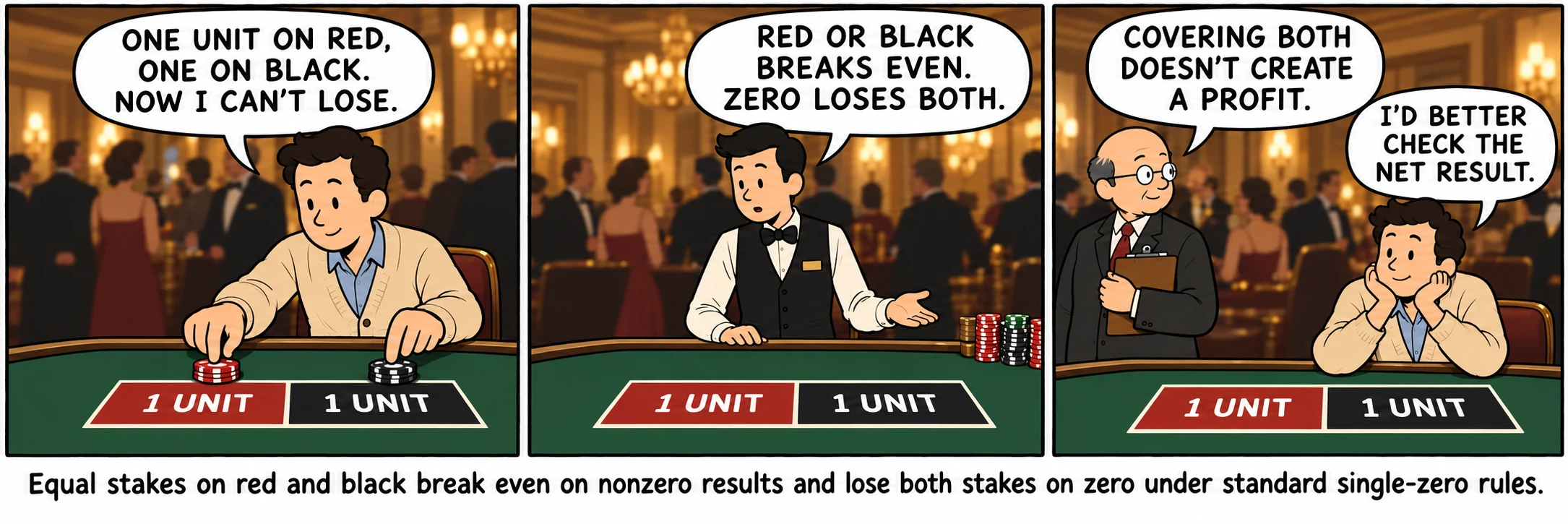
ᱥᱟᱯᱲᱟᱣ ᱫᱚ ᱵᱮᱱᱟᱣ ᱵᱚᱫᱚᱞᱟ᱾ ᱜᱚᱱᱚᱝ ᱫᱚ ᱡᱚᱛᱚ ᱪᱤᱯ ᱨᱮ ᱢᱮᱱᱟᱜ-ᱟ᱾
ᱯᱷᱮᱰᱟᱛ
- RouletteDoc. Roulette strategies overview.
- Roulette77. Roulette strategies overview.
- Ethier, S. N. The Doctrine of Chances: Probabilistic Aspects of Gambling.
- Bollman, M. Mathematics of the Big Four Casino Table Games: Blackjack, Baccarat, Craps, & Roulette.
- Bollman, M. Basic Gambling Mathematics: The Numbers Behind the Neon, 2nd ed.
- Epstein, R. A. The Theory of Gambling and Statistical Logic, 2nd ed.
- Scarne, J. Scarne’s Complete Guide to Gambling.