ᱢᱤᱫ ᱜᱷᱟᱸᱴᱟ ᱨᱮᱭᱟᱜ ᱠᱷᱚᱨᱚᱪ, ᱛᱩᱞᱟᱹᱣ ᱠᱟᱛᱮ
ᱟᱣᱥᱚᱛ ᱛᱮ ᱨᱩᱞᱮᱴ ᱨᱮᱭᱟᱜ ᱢᱤᱫ ᱜᱷᱟᱸᱴᱟ ᱨᱮᱭᱟᱜ ᱠᱷᱚᱨᱚᱪ ᱛᱤᱱᱟᱹᱜ, ᱦᱚᱲ ᱠᱚ ᱴᱟᱠᱟ ᱮᱢ ᱠᱟᱛᱮ ᱮᱴᱟᱜ ᱡᱤᱱᱤᱥ ᱨᱮᱭᱟᱜ ᱢᱤᱫ ᱜᱷᱟᱸᱴᱟ ᱥᱟᱶ ᱛᱩᱞᱟᱹᱣ ᱠᱟᱛᱮ᱾
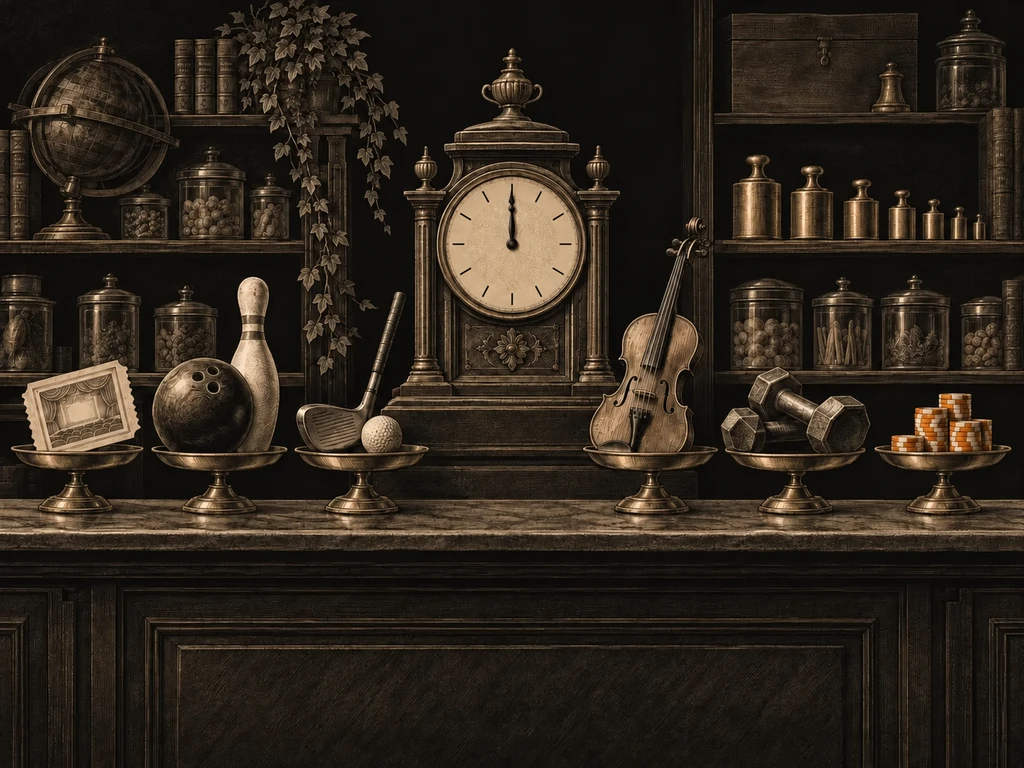
At an assumed 50 bets per hour and $10 per bet, standard single-zero roulette has an expected loss of $13.51. Eligible half-back even-money bets reduce that to $6.76. Your actual result can differ sharply; compare an uncertain gambling result with a known entertainment price carefully.
ᱨᱩᱞᱮᱴ ᱠᱚᱞᱚᱢ
Expected lossᱜᱚᱱᱤᱛᱟᱸᱫᱟᱡᱽ ᱦᱟᱹᱱᱤᱟᱸᱫᱟᱡᱽ ᱜᱚᱱᱚᱝ ᱜᱩᱬ ᱡᱚᱛᱚ ᱵᱟᱡᱤ ᱴᱟᱠᱟ; ᱢᱤᱫ ᱥᱮᱥᱚᱱ ᱟᱨᱵᱟᱝ ᱚᱠᱛᱚ ᱨᱮ ᱟᱣᱥᱚᱛ ᱛᱮ ᱦᱟᱨᱟᱣᱚᱜ ᱴᱟᱠᱟ᱾ᱯᱩᱨᱟᱹ ᱯᱟᱲᱦᱟᱣ → equals total wagering multiplied by the relevant house edgeᱜᱚᱱᱤᱛᱠᱮᱥᱤᱱᱳ ᱵᱟᱲᱛᱤᱡᱚᱛᱚ ᱵᱟᱡᱤ ᱴᱟᱠᱟ ᱠᱷᱚᱱ ᱠᱮᱥᱤᱱᱳ ᱟᱣᱥᱚᱛ ᱛᱮ ᱫᱚᱦᱚᱭ ᱦᱟᱹᱴᱤᱧ: ᱭᱩᱨᱚᱯᱤᱭᱟᱱ ᱨᱩᱞᱮᱴ ᱨᱮ 2.70%᱾ᱯᱩᱨᱟᱹ ᱯᱟᱲᱦᱟᱣ →. For fixed stakes, total wagering is stake per bet times the number of bets. Standard single-zeroᱪᱟᱠᱟᱡᱤᱨᱚᱢᱤᱫᱜᱮ ᱦᱟᱹᱨᱭᱟᱹᱲ ᱠᱷᱟᱱᱟ ᱡᱟᱦᱟᱸ ᱥᱚᱢᱟᱱ ᱴᱟᱠᱟ, ᱰᱚᱡᱮᱱ ᱟᱨᱵᱟᱝ ᱠᱚᱞᱚᱢ ᱵᱟᱡᱤ ᱵᱟᱭ ᱠᱚᱵᱷᱟᱨᱟ; ᱠᱮᱥᱤᱱᱳ ᱵᱟᱲᱛᱤ ᱨᱮᱭᱟᱜ ᱢᱩᱞ᱾ ᱮᱴᱟᱜ ᱧᱩᱛᱩᱢ: ᱥᱤᱝᱜᱚᱞ ᱡᱤᱨᱚ, 0᱾ᱯᱩᱨᱟᱹ ᱯᱟᱲᱦᱟᱣ → bets with full loss on zero use an edge of 1/37; eligible even-money betsᱵᱟᱡᱤᱥᱚᱢᱟᱱ ᱴᱟᱠᱟ ᱵᱟᱡᱤᱟᱨᱟᱜ/ᱦᱮᱸᱫᱮ, ᱵᱤᱡᱳᱲ/ᱡᱳᱲ, ᱢᱟᱨᱟᱝ/ᱦᱩᱰᱤᱧ᱾ 18 ᱮᱞ, ᱵᱷᱩᱜᱛᱟᱱ 1:1᱾ᱯᱩᱨᱟᱹ ᱯᱟᱲᱦᱟᱣ → with half back on zero use 1/74.
The examples below specify the pace rather than claiming measured speeds for live, automatic or RNG tables. If you stop early or change stakes, the total wagered changes.
ᱛᱩᱞᱟᱹᱣ
ᱞᱟᱛᱟᱨ ᱨᱮᱭᱟᱜ ᱫᱟᱢ ᱫᱚ ᱢᱤᱫᱴᱟᱹᱝ ᱢᱟᱨᱟᱝ ᱥᱚᱦᱚᱨ ᱨᱮᱭᱟᱜ 2026 ᱨᱮᱭᱟᱜ ᱢᱚᱴᱟ ᱢᱩᱴᱤ ᱟᱣᱥᱚᱛ ᱠᱟᱱᱟ; ᱟᱯᱮᱭᱟᱜ ᱫᱚ ᱮᱴᱟᱜ ᱛᱟᱦᱮᱸᱱᱟ᱾ ᱞᱟᱹᱠᱛᱤ ᱫᱚ ᱢᱟᱨᱟᱝ-ᱦᱩᱰᱤᱧ ᱨᱮᱭᱟᱜ ᱟᱸᱫᱟᱡᱽ ᱠᱟᱱᱟ, ᱟᱨ ᱱᱚᱶᱟ ᱡᱮ ᱨᱩᱞᱮᱴ, ᱥᱚᱫᱚᱨ ᱛᱮ ᱫᱟᱢ ᱞᱮᱠᱷᱟ ᱠᱟᱛᱮ, ᱥᱟᱫᱷᱟᱨᱚᱱ ᱫᱟᱢ ᱢᱮᱱᱟᱜ ᱨᱟᱹᱥᱠᱟᱹ ᱠᱚ ᱛᱟᱞᱟ ᱨᱮ ᱛᱟᱦᱮᱸᱱᱟ, ᱚᱱᱟ ᱠᱚ ᱠᱷᱚᱱ ᱥᱟᱦᱟᱭ ᱫᱚ ᱵᱟᱝ᱾
ᱣᱮᱨᱤᱭᱮᱱᱥ ᱪᱮᱫ ᱠᱤᱨᱤᱧ ᱮᱢᱟ
Varianceᱜᱚᱱᱤᱛᱣᱮᱨᱤᱭᱮᱱᱥᱟᱸᱫᱟᱡᱽ ᱜᱚᱱᱚᱝ ᱜᱷᱮᱨᱟᱣ ᱨᱮᱡᱟᱞᱴ ᱛᱤᱱᱟᱹᱜ ᱯᱟᱥᱱᱟᱣᱚᱜ-ᱟ ᱚᱱᱟ ᱨᱮᱭᱟᱜ ᱥᱟᱯᱲᱟᱣ᱾ ᱥᱴᱨᱮᱴ ᱚᱯ ᱞᱟᱹᱜᱤᱫ ᱵᱟᱹᱲᱛᱤ, ᱥᱚᱢᱟᱱ ᱴᱟᱠᱟ ᱵᱟᱡᱤ ᱞᱟᱹᱜᱤᱫ ᱠᱚᱢ᱾ᱯᱩᱨᱟᱹ ᱯᱟᱲᱦᱟᱣ → describes the spread of possible results around the expectation. It does not establish why people choose an activity, and it does not make an expected loss a safe budget.
For example, 50 independent $10 bets on redᱵᱟᱡᱤᱟᱨᱟᱜ18 ᱟᱨᱟᱜ ᱮᱞ ᱨᱮ ᱥᱚᱢᱟᱱ ᱴᱟᱠᱟ ᱵᱟᱡᱤ᱾ ᱯᱷᱨᱮᱧᱪ ᱨᱮ: ᱨᱩᱡᱽ᱾ᱯᱩᱨᱟᱹ ᱯᱟᱲᱦᱟᱣ → on a fair single-zero wheel, with full loss on zero, have an expected net result of −$13.51 and a standard deviationᱜᱚᱱᱤᱛᱥᱴᱮᱱᱰᱟᱨᱰ ᱰᱤᱵᱷᱤᱭᱮᱥᱚᱱᱣᱮᱨᱤᱭᱮᱱᱥ ᱨᱮᱭᱟᱜ ᱵᱚᱜᱚ ᱢᱩᱞ; ᱟᱸᱫᱟᱡᱽ ᱜᱚᱱᱚᱝ ᱠᱷᱚᱱ ᱨᱮᱡᱟᱞᱴ ᱨᱮᱭᱟᱜ ᱥᱟᱫᱷᱟᱨᱚᱱ ᱥᱟᱦᱟ᱾ᱯᱩᱨᱟᱹ ᱯᱟᱲᱦᱟᱣ → of about $70.68. The standard deviation is a measure of spread, not a guaranteed range. The probabilityᱜᱚᱱᱤᱛᱥᱚᱢᱵᱷᱟᱵᱱᱟᱢᱤᱫ ᱨᱮᱡᱟᱞᱴ ᱨᱮᱭᱟᱜ ᱥᱚᱢᱵᱷᱟᱵᱱᱟ, 0 ᱠᱷᱚᱱ 1 ᱟᱨᱵᱟᱝ 0% ᱠᱷᱚᱱ 100%᱾ ᱢᱤᱫ ᱮᱞ: 1/37 = 2.70%᱾ᱯᱩᱨᱟᱹ ᱯᱟᱲᱦᱟᱣ → of finishing ahead also depends on the bet, number of spins and stopping rule; there is no universal percentage for a winning hour.
ᱜᱷᱟᱸᱴᱟ ᱡᱮᱞᱮᱧ
For the same rules and number of bets, halving the stake halves expected loss. Placing half as many bets at the same stake has the same effect. Half back on zero halves the edge on eligible single-zero even-money bets, but does not apply to every wager or every table described as French.
At an assumed 50 rounds per hour, placing 25 bets of $5 with half back on zero gives an expected loss of $125/74, about $1.69. That is not a promise that the session will cost $1.69 or that a small bankrollᱴᱟᱠᱟᱠᱷᱮᱞ ᱯᱩᱸᱡᱤᱠᱷᱮᱞ ᱞᱟᱹᱜᱤᱫ ᱟᱞᱟᱜ ᱫᱚᱦᱚ ᱟᱠᱟᱱ ᱡᱚᱛᱚ ᱴᱟᱠᱟ᱾ ᱠᱷᱮᱞ ᱯᱩᱸᱡᱤ ᱥᱟᱢᱵᱷᱟᱞ ᱫᱚ ᱢᱮᱱᱮᱛ ᱢᱤᱫ ᱵᱟᱡᱤ ᱟᱨ ᱢᱤᱫ ᱥᱮᱥᱚᱱ ᱨᱮ ᱚᱱᱟ ᱠᱷᱚᱱ ᱛᱤᱱᱟᱹᱜ ᱡᱚᱠᱷᱤᱢ ᱨᱮ ᱫᱚᱦᱚᱭ ᱚᱱᱟ ᱴᱷᱟᱹᱣᱠᱟᱹ᱾ᱯᱩᱨᱟᱹ ᱯᱟᱲᱦᱟᱣ → will last.
ᱥᱚᱫᱚᱨ ᱥᱟᱨᱟᱝᱥ
Choose a spending and time limit based on what you can afford to lose, not only on the expected loss. Stakes, number of bets and rules affect the average; they do not let you control the result of a session. If comparing roulette with another activity, keep the uncertainty visible alongside the price.
ᱠᱩᱠᱞᱤ ᱠᱚ
ᱢᱤᱫ ᱞᱮᱠᱟᱱ ᱵᱟᱡᱤ ᱴᱟᱠᱟ ᱨᱮ ᱜᱷᱟᱸᱴᱟ ᱯᱨᱚᱛᱤ, ᱡᱟᱹᱥᱛᱤ ᱦᱚᱨᱟ ᱦᱮᱸ: ᱥᱞᱚᱴ ᱫᱚ ᱞᱚᱜᱚᱱ ᱪᱟᱞᱟᱜ-ᱟ ᱟᱨ ᱵᱮᱥᱤ ᱠᱮᱥᱤᱱᱳ ᱵᱟᱲᱛᱤ ᱢᱮᱱᱟᱜ-ᱟ᱾
ᱪᱮᱫᱟᱜ ᱥᱮ ᱥᱟᱹᱨᱤ ᱠᱷᱚᱨᱚᱪ ᱫᱚ ᱞᱟᱦᱟ ᱠᱷᱚᱱ ᱵᱟᱝ ᱵᱟᱰᱟᱭᱚᱜ-ᱟ ᱟᱨ ᱟᱸᱫᱟᱡᱽ ᱠᱷᱚᱨᱚᱪ ᱜᱮ ᱢᱤᱫᱴᱟᱹᱝ ᱮᱞ ᱠᱟᱱᱟ ᱡᱟᱦᱟᱸ ᱛᱮ ᱯᱚᱱᱚᱛ ᱫᱟᱲᱮᱭᱟᱜ-ᱟ᱾
ᱵᱟᱝ᱾ ᱱᱚᱶᱟ ᱨᱮᱭᱟᱜ ᱢᱮᱱᱮᱛ ᱫᱚ ᱣᱮᱨᱤᱭᱮᱱᱥ ᱴᱟᱠᱟ ᱮᱢ ᱞᱮᱫᱟ᱾ ᱫᱟᱨᱟᱭ ᱜᱷᱟᱸᱴᱟ ᱨᱮᱭᱟᱜ ᱫᱟᱢ ᱵᱟᱝ ᱵᱚᱫᱚᱞᱚᱜ-ᱟ᱾
ᱞᱟᱸᱫᱟ ᱞᱟᱹᱜᱤᱫ ᱠᱚᱢᱤᱠ
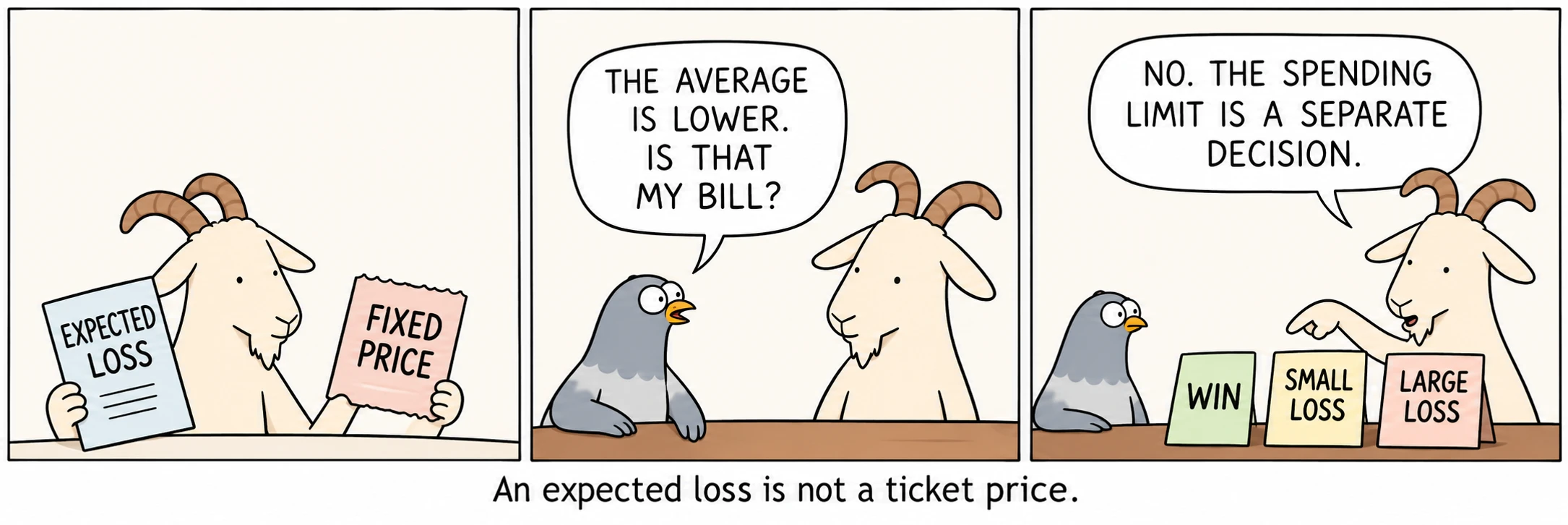
ᱥᱚᱫᱚᱨ ᱛᱮ ᱫᱟᱢ ᱞᱮᱠᱷᱟ ᱠᱟᱛᱮ, ᱨᱩᱞᱮᱴ ᱫᱚ ᱚᱥᱟᱨ ᱣᱮᱨᱤᱭᱮᱱᱥ ᱥᱟᱶ ᱛᱟᱞᱟ ᱫᱟᱢ ᱨᱮᱭᱟᱜ ᱨᱟᱹᱥᱠᱟᱹ ᱠᱟᱱᱟ᱾
ᱯᱷᱮᱰᱟᱛ
- Ethier, S. N. The Doctrine of Chances: Probabilistic Aspects of Gambling.