ᱞᱟᱥ ᱵᱷᱮᱜᱟᱥ ᱨᱩᱞᱮᱴ ᱪᱟᱠᱟ
ᱥᱟᱫᱷᱟᱨᱚᱬ ᱛᱮ ᱰᱚᱵᱚᱞ ᱡᱤᱨᱚ, ᱜᱚᱱᱚᱝ ᱮᱢ ᱛᱮ ᱥᱤᱝᱜᱚᱞ ᱡᱤᱨᱚ, ᱟᱨ ᱯᱮᱭᱟᱜ ᱡᱤᱨᱚ ᱵᱮᱵᱷᱟᱨ ᱦᱚᱨᱟ ᱨᱮ ᱟᱹᱛᱩᱨ ᱮᱱ ᱮᱠᱮᱱ ᱴᱷᱟᱶ᱾
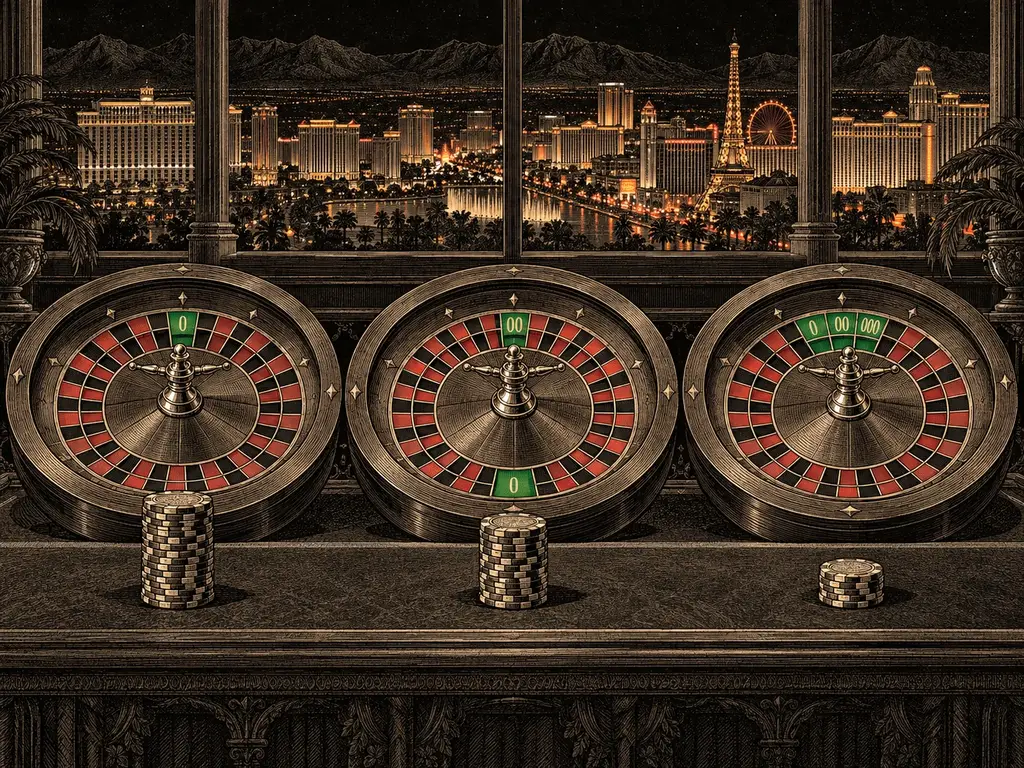
Double-zero roulette is widespread in Las Vegas, but single-zero, triple-zero and special-payout games are also available. A lower house edge means a lower expected loss per dollar wagered. It does not necessarily mean a lower cost per spin if you must bet more.
ᱥᱟᱫᱷᱟᱨᱚᱬ ᱪᱟᱠᱟ
The Vegas Advantage survey, last updated 15 May 2026, records double-zeroᱪᱟᱠᱟᱡᱤᱨᱚᱢᱤᱫᱜᱮ ᱦᱟᱹᱨᱭᱟᱹᱲ ᱠᱷᱟᱱᱟ ᱡᱟᱦᱟᱸ ᱥᱚᱢᱟᱱ ᱴᱟᱠᱟ, ᱰᱚᱡᱮᱱ ᱟᱨᱵᱟᱝ ᱠᱚᱞᱚᱢ ᱵᱟᱡᱤ ᱵᱟᱭ ᱠᱚᱵᱷᱟᱨᱟ; ᱠᱮᱥᱤᱱᱳ ᱵᱟᱲᱛᱤ ᱨᱮᱭᱟᱜ ᱢᱩᱞ᱾ ᱮᱴᱟᱜ ᱧᱩᱛᱩᱢ: ᱥᱤᱝᱜᱚᱞ ᱡᱤᱨᱚ, 0᱾ᱯᱩᱨᱟᱹ ᱯᱟᱲᱦᱟᱣ → roulette at most of the Las Vegas casinos it surveyed. It also lists single-zero and triple-zero games, plus versions with special payoutsᱴᱟᱠᱟᱵᱷᱩᱜᱛᱟᱱᱡᱤᱛ ᱵᱟᱡᱤ ᱪᱮᱫ ᱨᱩᱣᱟᱹᱲᱟ, ᱨᱩᱣᱟᱹᱲ ᱵᱟᱡᱤ ᱴᱟᱠᱟ ᱪᱮᱛᱟᱱ “X ᱨᱮ 1” ᱞᱮᱠᱟ ᱨᱚᱲᱚᱜ-ᱟ᱾ᱯᱩᱨᱟᱹ ᱯᱟᱲᱦᱟᱣ →. This is a dated survey, not a guarantee of what a casino will offer on your visit.
With standard payouts and no special zero rule, the house edgeᱜᱚᱱᱤᱛᱠᱮᱥᱤᱱᱳ ᱵᱟᱲᱛᱤᱡᱚᱛᱚ ᱵᱟᱡᱤ ᱴᱟᱠᱟ ᱠᱷᱚᱱ ᱠᱮᱥᱤᱱᱳ ᱟᱣᱥᱚᱛ ᱛᱮ ᱫᱚᱦᱚᱭ ᱦᱟᱹᱴᱤᱧ: ᱭᱩᱨᱚᱯᱤᱭᱟᱱ ᱨᱩᱞᱮᱴ ᱨᱮ 2.70%᱾ᱯᱩᱨᱟᱹ ᱯᱟᱲᱦᱟᱣ → is 1/37 on single zero, 2/38 on double zeroᱨᱩᱯᱰᱚᱵᱚᱞ ᱡᱤᱨᱚᱟᱢᱮᱨᱤᱠᱟᱱ ᱪᱟᱠᱟ ᱨᱮᱭᱟᱜ 00 ᱠᱷᱟᱱᱟ᱾ ᱱᱚᱶᱟ ᱛᱟᱦᱮᱸ ᱛᱮ ᱠᱮᱥᱤᱱᱳ ᱵᱟᱲᱛᱤ 2.70% ᱠᱷᱚᱱ 5.26% ᱦᱟᱹᱵᱤᱡ ᱪᱮᱛᱟᱱᱚᱜ-ᱟ᱾ᱯᱩᱨᱟᱹ ᱯᱟᱲᱦᱟᱣ → and 3/39 on triple zero. There are exceptions: the five-number double-zero bet pays 6 to 1 and has a 3/38 edge, about 7.89%. Count the pocketsᱥᱟᱡ ᱥᱟᱢᱟᱱᱠᱷᱟᱱᱟᱨᱚᱴᱚᱨ ᱨᱮᱭᱟᱜ 37 ᱮᱞ ᱚᱞ ᱠᱷᱟᱱᱟ ᱠᱷᱚᱱ ᱢᱤᱫ᱾ ᱮᱴᱟᱜ ᱧᱩᱛᱩᱢ: ᱥᱞᱚᱴ, ᱠᱟᱯ᱾ᱯᱩᱨᱟᱹ ᱯᱟᱲᱦᱟᱣ → and read the payout rules before comparing tables.
ᱜᱚᱱᱚᱝ ᱮᱢ ᱛᱮ ᱥᱤᱝᱜᱚᱞ ᱡᱤᱨᱚ
A $100 ordinary single-zero wager has an expected lossᱜᱚᱱᱤᱛᱟᱸᱫᱟᱡᱽ ᱦᱟᱹᱱᱤᱟᱸᱫᱟᱡᱽ ᱜᱚᱱᱚᱝ ᱜᱩᱬ ᱡᱚᱛᱚ ᱵᱟᱡᱤ ᱴᱟᱠᱟ; ᱢᱤᱫ ᱥᱮᱥᱚᱱ ᱟᱨᱵᱟᱝ ᱚᱠᱛᱚ ᱨᱮ ᱟᱣᱥᱚᱛ ᱛᱮ ᱦᱟᱨᱟᱣᱚᱜ ᱴᱟᱠᱟ᱾ᱯᱩᱨᱟᱹ ᱯᱟᱲᱦᱟᱣ → of about $2.70. A $25 ordinary double-zero wager has an expected loss of about $1.32. The first has better odds per dollar, but a higher expected cost per spin. Neither figure predicts the result of one bet.
The following examples use the same $25 wager to isolate the effect of the rules. They are calculations, not advertised casino minimums.
ᱞᱟᱥ ᱵᱷᱮᱜᱟᱥ ᱨᱮ ᱴᱨᱤᱯᱚᱞ ᱡᱤᱨᱚ ᱨᱩᱞᱮᱴ
2016 ᱨᱮ ᱥᱴᱨᱤᱯ ᱨᱮᱭᱟᱜ ᱢᱤᱫ ᱠᱮᱥᱤᱱᱳ ᱢᱤᱫ 39 ᱠᱷᱟᱱᱟ ᱪᱟᱠᱟ ᱮ ᱮᱛᱚᱦᱚᱵ ᱠᱟᱫᱟ, 0, 00 ᱟᱨ ᱢᱤᱫ ᱞᱚᱜᱚ ᱪᱤᱱᱦᱟᱹ ᱥᱟᱶ 000 ᱛᱮ, ᱠᱚᱢ ᱠᱚᱢ ᱥᱮ ᱠᱚᱢ ᱵᱟᱡᱤ ᱥᱟᱶ᱾ ᱮᱴᱟᱜ ᱠᱚ ᱦᱚᱸ ᱯᱟᱧᱡᱟ ᱞᱮᱫᱟ᱾ 7.69% ᱛᱮ ᱱᱚᱣᱟ ᱫᱚ ᱫᱷᱟᱹᱨᱛᱤ ᱨᱮ ᱥᱟᱱᱟᱢ ᱠᱷᱚᱱ ᱜᱟᱱᱟᱝ ᱥᱟᱫᱷᱟᱨᱚᱬ ᱨᱩᱞᱮᱴ ᱠᱟᱱᱟ, ᱟᱨ ᱱᱚᱣᱟ ᱫᱚ ᱚᱱᱟ ᱞᱟᱹᱜᱤᱫ ᱜᱮ ᱞᱟᱹᱠᱟᱹᱴ ᱮᱱᱟ ᱪᱮᱫᱟᱜ ᱥᱮ $5 ᱴᱮᱵᱩᱞ ᱨᱮ ᱫᱩᱲᱩᱯ ᱠᱷᱮᱞᱚᱸᱰ ᱠᱚ ᱫᱚ ᱠᱷᱟᱱᱟ ᱵᱚᱫᱚᱞ ᱨᱮ ᱠᱚᱢ ᱥᱮ ᱠᱚᱢ ᱵᱟᱡᱤ ᱠᱚ ᱛᱩᱞᱟᱹᱣᱟ᱾ ᱡᱟᱦᱟᱸ ᱵᱟᱡᱟᱨ ᱨᱮ ᱥᱤᱝᱜᱚᱞ ᱡᱤᱨᱚ ᱴᱮᱵᱩᱞ ᱢᱤᱫ ᱠᱞᱤᱠ ᱥᱟᱦᱟ ᱨᱮ ᱢᱮᱱᱟᱜ-ᱟ, ᱚᱱᱰᱮ ᱫᱚ ᱱᱚᱣᱟ ᱵᱟᱝ ᱞᱟᱹᱠᱟᱹᱴ ᱟᱠᱟᱱᱟ᱾
ᱭᱩᱰᱮᱢᱚᱱᱥ ᱟᱨ ᱨᱤᱴᱡᱽ, ᱱᱮᱵᱷᱟᱰᱟ ᱨᱩᱯ
Edward Thorp’s account describes testing a wearable roulette computer with Claude Shannon in Las Vegas in 1961. It belongs to the history of physical prediction, not evidence that an ordinary staking system beats an independent wheel.
Nevada added its device provision in 1985. Today NRS 465.075 prohibits using, possessing with intent to use, or assisting another with specified advantage devices or software in the games it covers, subject to approved-game and Commission exceptions. Mere possession is not an accurate summary of the wording.
ᱤᱞᱮᱠᱴᱨᱚᱱᱤᱠ ᱨᱩᱞᱮᱴ
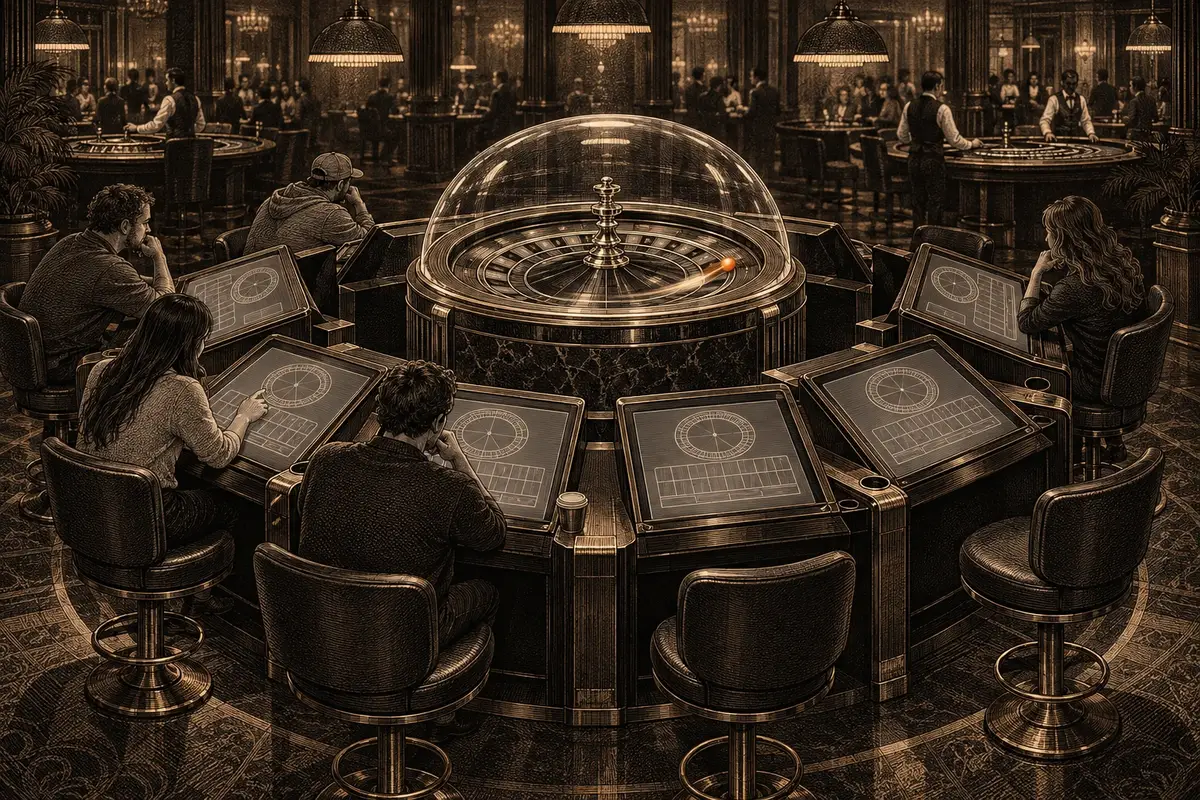
A terminal is a way to place bets, not a guarantee of a particular wheel or payout table. Electronic games may use a physical wheel or a random-number generator. Some configurations reduce straight-up or splitᱵᱟᱡᱤᱥᱯᱞᱤᱴᱵᱟᱨ ᱥᱟᱵᱟᱫ ᱮᱞ, ᱵᱷᱩᱜᱛᱟᱱ 17:1᱾ᱯᱩᱨᱟᱹ ᱯᱟᱲᱦᱟᱣ → payouts, so counting the zeros alone is not enough.
Check whether the displayed return includes your stake. A total return of 35 times the wager is a profit of 34 to 1, which is lower than the usual straight-up profit of 35 to 1. On a fair single-zero game, that reduced return gives a 2/37 edge, about 5.41%.
ᱯᱨᱚᱢᱳᱥᱚᱱ ᱟᱨ ᱡᱤᱨᱚ ᱵᱟᱹᱱᱩᱜ ᱪᱟᱠᱟ
John L. Smith’s account of Bob Stupak, excerpted in The Intelligent Gambler in May 1997, reproduces advertising for Vegas World’s “Polish Roulette” with no zeros. The excerpt establishes the promotion’s wording, but does not supply a complete paytable or stake-limit schedule.
The arithmetic of a genuinely zero-free game is straightforward. If the 36 numbered outcomes are equally likely and the standard payouts apply, the ordinary bets have zero expected loss before any fee. That does not turn a Martingaleᱥᱴᱨᱮᱴᱮᱡᱤᱢᱟᱨᱴᱤᱝᱜᱮᱞᱡᱚᱛᱚ ᱦᱟᱨᱟᱣ ᱛᱟᱭᱚᱢ ᱵᱟᱡᱤ ᱰᱚᱵᱚᱞ ᱯᱨᱚᱜᱽᱨᱮᱥᱚᱱ᱾ ᱱᱚᱶᱟ ᱪᱮᱫ ᱮ ᱠᱟᱹᱢᱤᱭᱟ ᱟᱨ ᱪᱮᱫ ᱵᱟᱭ ᱠᱟᱹᱢᱤᱭᱟ, ᱚᱱᱟ ᱥᱴᱨᱮᱴᱮᱡᱤ ᱦᱟᱹᱴᱤᱧ ᱨᱮ ᱧᱮᱞ ᱯᱮ᱾ᱯᱩᱨᱟᱹ ᱯᱟᱲᱦᱟᱣ → into guaranteed income. On independent fair redᱵᱟᱡᱤᱟᱨᱟᱜ18 ᱟᱨᱟᱜ ᱮᱞ ᱨᱮ ᱥᱚᱢᱟᱱ ᱴᱟᱠᱟ ᱵᱟᱡᱤ᱾ ᱯᱷᱨᱮᱧᱪ ᱨᱮ: ᱨᱩᱡᱽ᱾ᱯᱩᱨᱟᱹ ᱯᱟᱲᱦᱟᱣ →-or-blackᱵᱟᱡᱤᱦᱮᱸᱫᱮ18 ᱦᱮᱸᱫᱮ ᱮᱞ ᱨᱮ ᱥᱚᱢᱟᱱ ᱴᱟᱠᱟ ᱵᱟᱡᱤ᱾ ᱯᱷᱨᱮᱧᱪ ᱨᱮ: ᱱᱣᱟᱨ᱾ᱯᱩᱨᱟᱹ ᱯᱟᱲᱦᱟᱣ → bets, a $1–$2–$4 sequence stopped at the first win or third loss earns $1 with probabilityᱜᱚᱱᱤᱛᱥᱚᱢᱵᱷᱟᱵᱱᱟᱢᱤᱫ ᱨᱮᱡᱟᱞᱴ ᱨᱮᱭᱟᱜ ᱥᱚᱢᱵᱷᱟᱵᱱᱟ, 0 ᱠᱷᱚᱱ 1 ᱟᱨᱵᱟᱝ 0% ᱠᱷᱚᱱ 100%᱾ ᱢᱤᱫ ᱮᱞ: 1/37 = 2.70%᱾ᱯᱩᱨᱟᱹ ᱯᱟᱲᱦᱟᱣ → 7/8 and loses $7 with probability 1/8. Its expected profit is zero. Those are model assumptions, not a reconstruction of every rule Vegas World used.
ᱠᱩᱠᱞᱤ ᱠᱚ
ᱦᱮᱸ, ᱡᱟᱹᱥᱛᱤ ᱛᱮ ᱵᱮᱥᱤ ᱥᱤᱢᱟᱹ ᱠᱩᱴᱤ ᱨᱮ᱾ ᱛᱤᱡᱩ ᱠᱮᱥᱤᱱᱳ ᱫᱚ ᱢᱩᱬᱩᱛ ᱠᱷᱮᱞ ᱴᱷᱟᱶ ᱨᱮ ᱵᱮᱥᱤ ᱠᱚᱢ ᱥᱮ ᱠᱚᱢ ᱵᱟᱡᱤ ᱥᱟᱶ ᱠᱚ ᱫᱚᱦᱚᱭᱟ᱾
The survey lists single-zero games with this rule, which it labels European rouletteᱨᱩᱯᱭᱩᱨᱚᱯᱤᱭᱟᱱ ᱨᱩᱞᱮᱴᱥᱤᱝᱜᱚᱞ ᱡᱤᱨᱚ ᱪᱟᱠᱟ, 37 ᱠᱷᱟᱱᱟ, ᱠᱮᱥᱤᱱᱳ ᱵᱟᱲᱛᱤ 2.70%᱾ ᱱᱚᱶᱟ ᱥᱟᱭᱤᱴ ᱨᱮᱭᱟᱜ ᱢᱩᱬᱩᱛ ᱢᱚᱰᱮᱞ᱾ᱯᱩᱨᱟᱹ ᱯᱟᱲᱦᱟᱣ →. With equally likely pockets, that makes the edge 1/74, about 1.35%, on the qualifying even-money betsᱵᱟᱡᱤᱥᱚᱢᱟᱱ ᱴᱟᱠᱟ ᱵᱟᱡᱤᱟᱨᱟᱜ/ᱦᱮᱸᱫᱮ, ᱵᱤᱡᱳᱲ/ᱡᱳᱲ, ᱢᱟᱨᱟᱝ/ᱦᱩᱰᱤᱧ᱾ 18 ᱮᱞ, ᱵᱷᱩᱜᱛᱟᱱ 1:1᱾ᱯᱩᱨᱟᱹ ᱯᱟᱲᱦᱟᱣ →. Do not assume every single-zero table uses it.
$5 × 7.69% = ᱢᱤᱫ ᱜᱷᱩᱨᱟᱹᱣ ᱨᱮ 38¢; $10 × 5.26% = 53¢᱾ ᱴᱨᱤᱯᱚᱞ ᱡᱤᱨᱚ ᱴᱮᱵᱩᱞ ᱫᱚ ᱢᱤᱫ ᱜᱷᱩᱨᱟᱹᱣ ᱞᱮᱠᱷᱟ ᱛᱮ ᱥᱚᱥᱛᱟ ᱟᱨ ᱢᱤᱫ ᱰᱚᱞᱟᱨ ᱞᱮᱠᱷᱟ ᱛᱮ ᱜᱟᱱᱟᱝ᱾ ᱟᱯᱮ ᱪᱮᱫ ᱠᱤᱨᱤᱧ ᱮᱫᱟ ᱚᱱᱟ ᱴᱷᱤᱠ ᱠᱟᱛᱮ ᱵᱤᱪᱟᱹᱨ ᱯᱮ᱾
ᱞᱟᱸᱫᱟ ᱞᱟᱹᱜᱤᱫ ᱠᱚᱢᱤᱠ
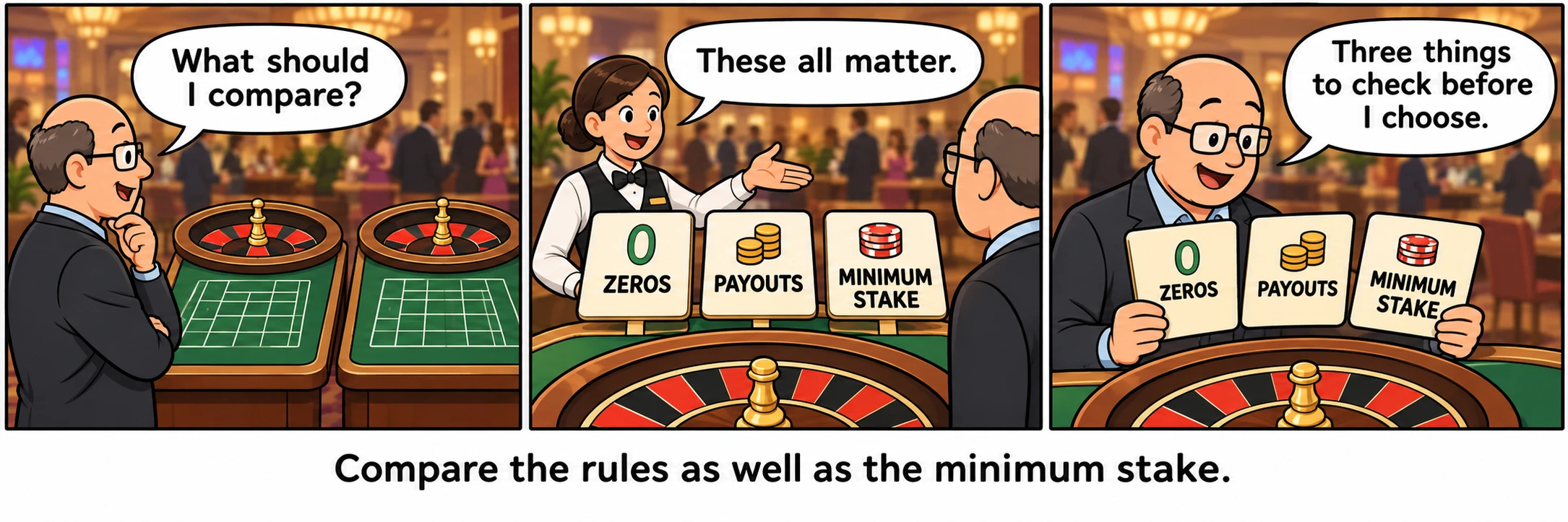
ᱠᱚᱢ ᱥᱮ ᱠᱚᱢ ᱵᱟᱡᱤ ᱫᱚ ᱫᱮᱠᱷᱟᱣᱚᱜ-ᱟ᱾ ᱠᱷᱟᱱᱟ ᱠᱚ ᱫᱚ ᱵᱟᱝ᱾
ᱯᱷᱮᱰᱟᱛ
- Bass, T. A. The Eudaemonic Pie.
- Schwartz, D. G. Roll the Bones: The History of Gambling.
- Thorp, E. O. “Optimal gambling systems for favorable games.”
- Bollman, M. Mathematics of the Big Four Casino Table Games: Blackjack, Baccarat, Craps, & Roulette.
- Washington State Gambling Commission, Interblock Roulette Game and Special Bet Description, version 1.2.1